Avoid Burnout With Better Social Media Goals

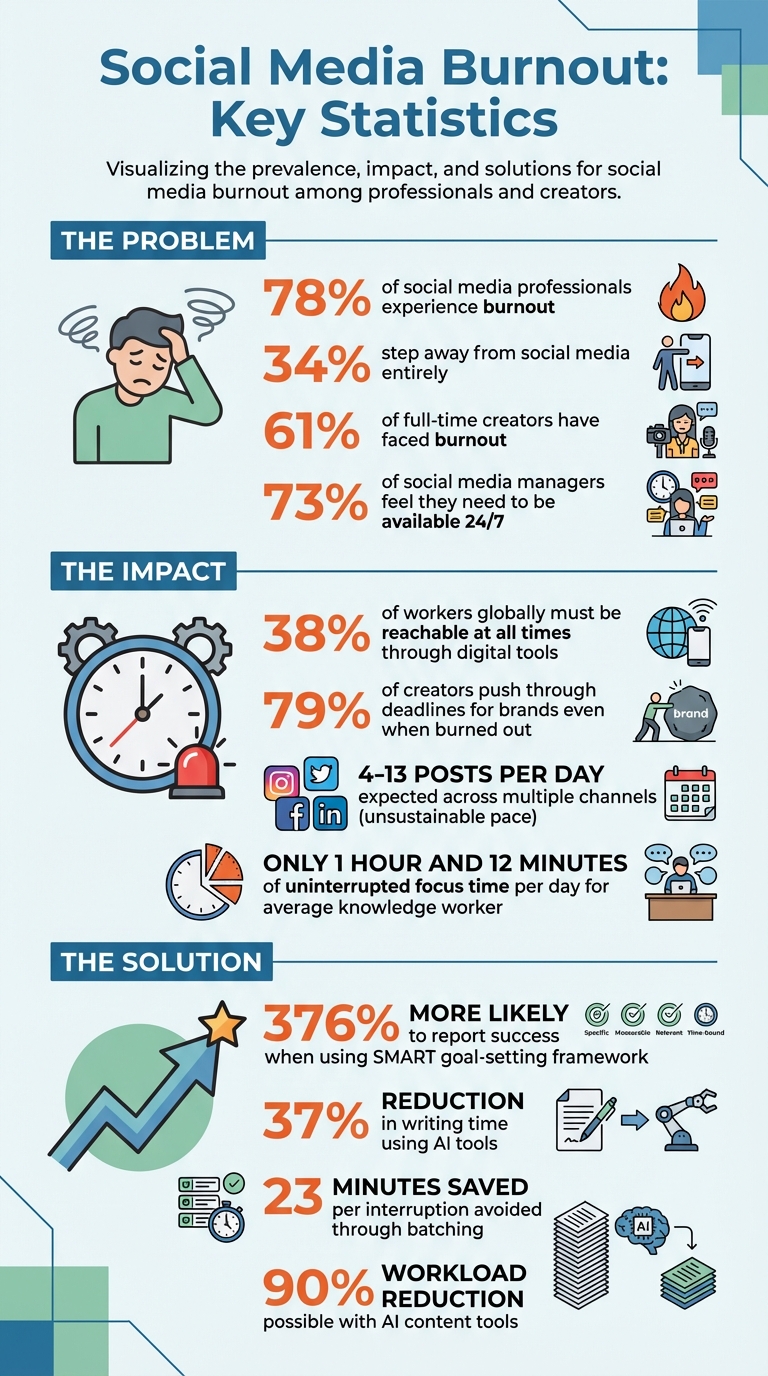
Burnout is a major issue for social media professionals and content creators - 78% experience it, and 34% step away entirely. Unrealistic goals like "get more followers" or "increase engagement" often worsen the problem, leaving creators feeling stuck in an endless cycle of effort without progress.
Here’s the fix: Set clear, specific, and realistic goals. For example, instead of vague targets, use the SMART framework (Specific, Measurable, Achievable, Relevant, Time-bound). This approach helps you focus, track progress, and manage workload effectively - reducing stress and improving results.
Key takeaways:
- Burnout symptoms include exhaustion, anxiety, and reduced creativity.
- Causes include "always-on" culture, algorithm changes, and unrealistic expectations.
- Solutions: SMART goals, batching content, time-blocking, and using AI tools like Draft AI to save time and energy.
Social Media Burnout Statistics and Impact on Content Creators
HOW TO AVOID BURNOUT ON INSTAGRAM | Preventing Social Media Burnout As An Entrepreneur
What Is Social Media Burnout?
Social media burnout is a condition where prolonged stress from managing online platforms leads to mental, physical, and emotional exhaustion. It’s not just an abstract concept - it’s a recognized issue that can severely impact your ability to perform at work. According to the World Health Organization, burnout is defined by three key dimensions: exhaustion, cynicism, and reduced efficacy. In the digital world, this often translates into "reach fatigue", where the overwhelming volume of content makes meaningful engagement feel impossible.
To fully grasp social media burnout, it’s important to understand how it shows up in daily life.
Signs of Burnout
Burnout doesn’t look the same for everyone, but there are some common red flags. These might include irritability, anxiety, or even chronic fatigue. You might also notice creative blocks, trouble focusing, or a lack of fresh ideas - what’s often referred to as "content fatigue." Physically, it can manifest as headaches, stomach issues, or a weakened immune system. And let’s not forget the emotional toll: feelings of emptiness, overwhelm, or even depression. Late-night scrolling and disrupted sleep patterns only make things worse.
"Burnout is an actual psychological condition that affects one's outlook on life and work. If left unaddressed, this cycle can make your day-to-day responsibilities feel devastating."
– Dr. Michaela Dunbar, Clinical Psychologist
In 2018, YouTuber Elle Mills shared her personal experience with burnout in a viral video, where she spoke candidly about how it affected her mental health and ability to create content for her millions of followers. Her openness sparked an ongoing conversation about the mental health challenges faced by creators.
But what’s behind all these symptoms? The answer lies in the structure of modern social media work.
What Causes Social Media Burnout
The root causes of burnout are often tied to the demands of today’s fast-paced digital environment. The "always on" culture is a major factor - 73% of social media managers report feeling like they need to be available 24/7. On top of that, many professionals juggle a wide range of responsibilities, from strategy and graphic design to video editing, copywriting, and customer service - all at once.
Then there’s the constant pressure to keep up with algorithm changes. Platforms like Instagram frequently update their systems without warning, leaving creators scrambling to adapt. As Mitra Mehvar, Social Media Manager at Buffer, explains:
"Instagram is one platform at the moment that is CONSTANTLY changing. The second you feel like you've got the hang of things, they change things on you".
Content demands only add to the stress. Many creators feel obligated to post multiple times a week - or even daily - to maintain visibility. In fact, 79% admit to pushing through deadlines for brands even when they’re already burned out. And because much of this work happens on personal devices, the line between work and personal life becomes blurred, making it nearly impossible to unplug.
These challenges highlight the importance of setting realistic goals and boundaries to maintain both productivity and well-being in the long run.
How Better Social Media Goals Prevent Burnout
Clear goals can transform how you approach social media work. They act as a buffer between sustainable productivity and overwhelming exhaustion. When your targets are realistic and focused, you conserve your energy. On the other hand, vague or overly ambitious goals can trap you in a cycle that feels impossible to maintain.
The Problem with Unrealistic Goals
Unrealistic goals often fail because they rely on factors outside your control. For example, you can't guarantee a post will go viral, and chasing that outcome only leads to frustration. Without clear boundaries or parameters, ambitious goals often deliver little in return.
Spreading yourself too thin across platforms is another common pitfall. Some creators feel pressured to churn out 4 to 13 posts per day across multiple channels - a pace that’s unsustainable for individuals or small teams. The expectation to be "always on" compounds this stress. In fact, 38% of workers globally report that their jobs require them to be reachable at all times through digital tools, a factor strongly linked to burnout.
Adding to the chaos, constantly adapting to algorithm changes can derail your focus. These frequent shifts force you to repeatedly overhaul your strategy, making it nearly impossible to pursue consistent, meaningful goals.
Shifting from vague ambitions to specific, actionable targets can help you reclaim your focus and energy.
Benefits of Clear, Achievable Goals
Well-defined goals direct your energy where it matters most. Businesses using the SMART goal-setting framework (Specific, Measurable, Achievable, Relevant, and Time-bound) are 376% more likely to report success compared to those without structured goals. This approach doesn’t just improve results - it also reduces the mental fatigue that comes from constant decision-making.
Clear goals simplify your workflow by eliminating unnecessary choices. For instance, deciding to "publish 5 posts per week on Instagram for 90 days" is far more actionable than vaguely aiming to "post more often." By pre-planning your actions, you can save your creative energy for tasks that truly matter.
Another advantage of realistic goals is the ability to set boundaries. Knowing what "done" looks like allows you to disconnect without guilt. As Mitra Mehvar reminds creators:
"It's just social media. Nothing horrible will happen if you miss posting for one day".
This shift - from chasing unpredictable outcomes to focusing on achievable targets - can turn social media from a constant stressor into a manageable and sustainable part of your routine.
How to Set Better Social Media Goals
Set clear, measurable targets that you can control - goals that leave no room for doubt about whether you're making progress.
The SMART Framework
The SMART framework helps turn vague ambitions into actionable plans by defining success and setting clear timelines. It stands for Specific, Measurable, Achievable, Relevant, and Time-bound.
Here’s how applying SMART criteria can transform unclear goals:
| Vague Goal ❌ | Why It Fails | SMART Version ✅ |
|---|---|---|
| "Increase engagement" | Lacks a clear target or timeline | Increase Instagram engagement rate from 2% to 4% by March 31 |
| "Get more followers" | No specific number or plan | Gain 1,000 qualified LinkedIn followers in Q1 2026 |
| "Post more often" | No consistency metric | Publish 5 posts per week on Instagram for 90 days |
| "Go viral" | Outside your control | Create 3 posts per month that exceed 10x average reach |
The "Achievable" part is your reality check. Before locking in a goal, assess your current resources, team size, and workload. If you're handed a target that feels out of reach, use this step to discuss limitations upfront instead of silently taking on too much.
Research shows that companies using SMART goals are 376% more likely to report success in their marketing efforts compared to those without structured targets.
It’s also wise to focus on 3–5 SMART goals at a time. This keeps you from spreading yourself too thin and ensures each goal gets the attention it needs. With your goals set, the next step is to ground them in your current performance metrics.
Audit Your Current Performance
Aligning your goals with realistic benchmarks helps you conserve energy and avoid burnout.
To set meaningful goals, you need a clear picture of where you stand today. Start by reviewing data from the past 12 months across all your active platforms. This audit will highlight what’s working and what’s wasting your time.
Here are key metrics to track for each platform:
| Audit Category | Key Metrics to Track |
|---|---|
| Growth & Reach | Follower count, growth rate, monthly reach, and impressions |
| Engagement | Average engagement rate, comments, and shares |
| Conversion | Click-through rate (CTR) to your website, conversion rate from social traffic |
| Operations | Content production capacity, average response time to messages |
Pay close attention to your content production capacity. Figure out how many hours per week you can realistically dedicate to social media, then use that to create a sustainable posting schedule. For instance, if publishing three times a week already feels like a stretch, aiming for daily posts will only lead to burnout.
Next, analyze your top 5–15 performing posts on each platform. Look for patterns in format (e.g., videos, carousels, or text-only posts) and themes (e.g., educational content, behind-the-scenes glimpses, or customer stories). These high-performing posts reveal what truly resonates with your audience - not just what you assume will work.
Christine Colling, Social Media Manager at Later, sums it up well:
"We like to track how we're marching towards our goals on a weekly and monthly basis. It helps us adjust things that aren't working, and double down on the things that are."
If you’re consistently missing your targets by more than 20%, it’s a sign to revise your goals, timelines, or strategies - not to push yourself harder and risk burnout. Your audit data gives you the clarity to set goals that align with your actual capacity, not someone else’s highlight reel.
sbb-itb-9f5fe42
Using Tools to Simplify Content Creation
Using the right tools can make a huge difference when it comes to staying consistent and avoiding burnout. These tools not only save time but also help you maintain your personal touch in every piece of content.
Automate Content Creation with AI
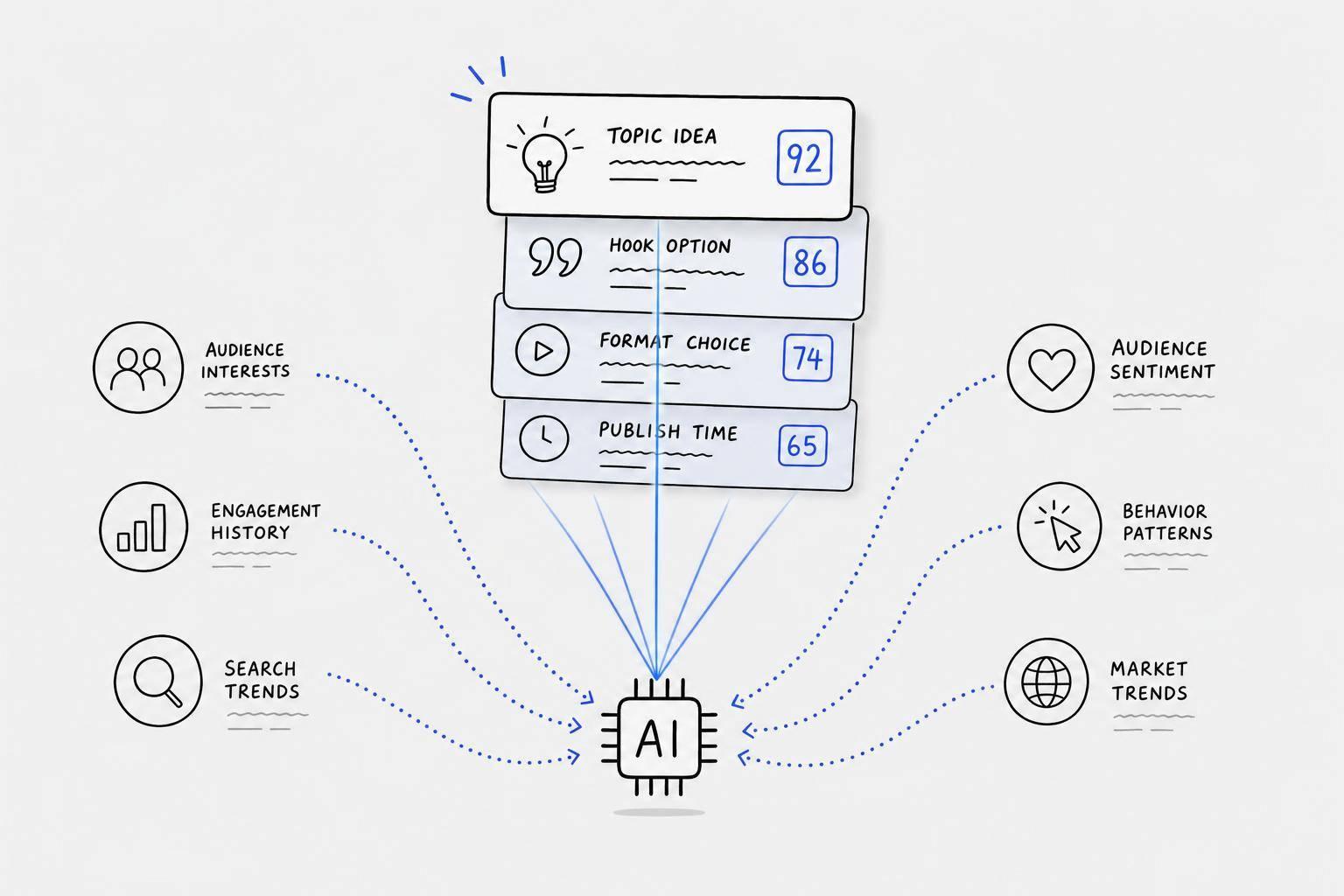
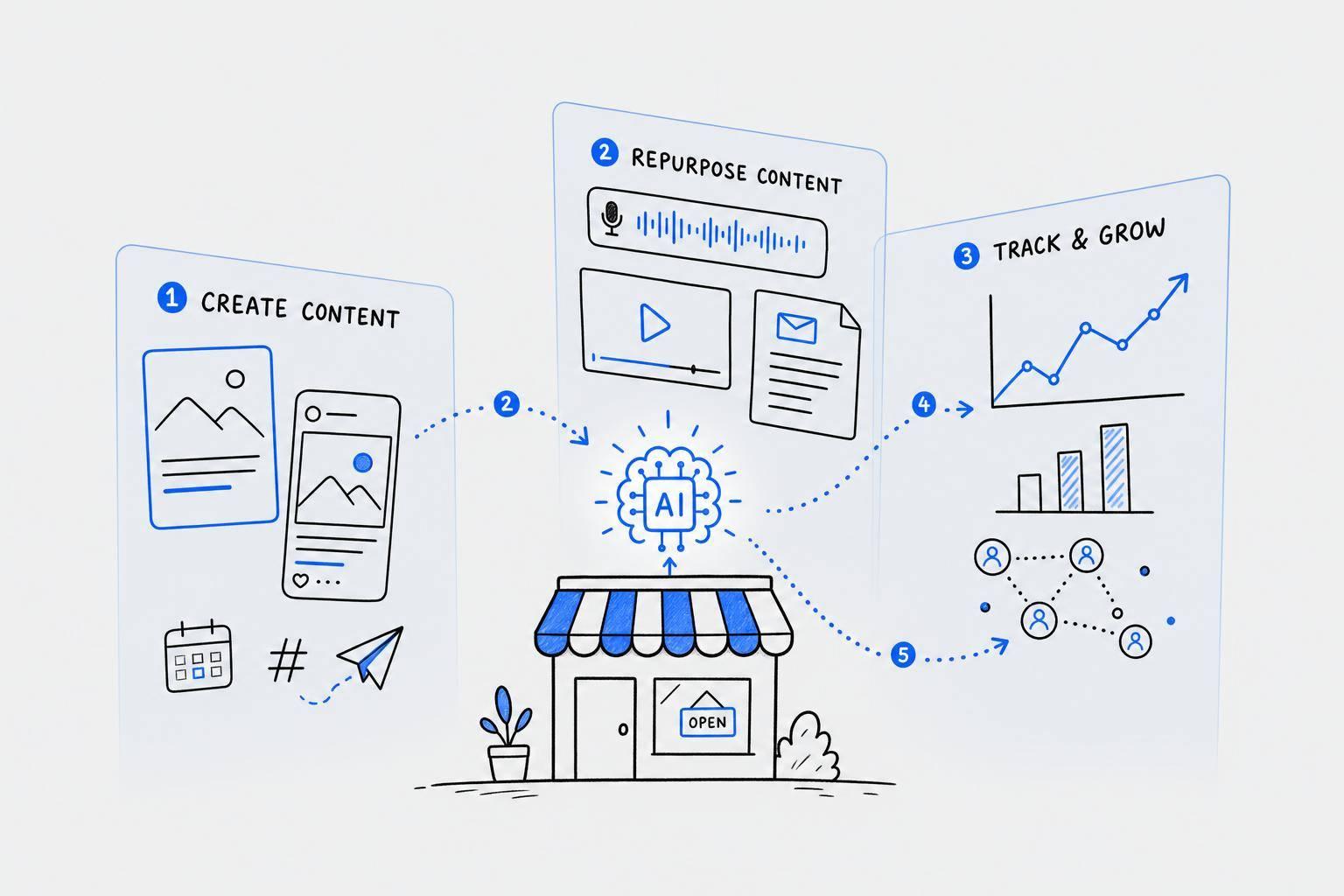
Imagine cutting your writing time from hours to just minutes. Tools like Draft AI can take raw ideas and turn them into fully polished content in as little as 5–10 minutes, reducing your workload by up to 90%. All you need to do is share your thoughts - whether as notes or voice recordings - and the AI takes care of structuring, formatting, and optimizing the content for you.
Research backs this up: generative AI can reduce writing time by 37% while also improving the overall quality of the work. So, you're not just working faster - you’re also creating better content with less effort.
Match Content to Your Style
One-size-fits-all AI content doesn’t cut it if you want to stand out. Advanced tools now offer features like "voice profiles", which analyze your previous posts to match your unique tone and style.
Sales Development Coach Thomas Preiss shared his experience:
"Once your brand voice is in there, each article closely mirrors the way I write. The AI interviews feel like a real conversation."
Draft AI takes this a step further by studying your top-performing posts to identify the nuances of your style, tone, and structure. This ensures the content it generates doesn't sound robotic - it sounds like you. Plus, with features like multilingual templates and the ability to create various formats (carousels, scripts, text posts), you can maintain your voice across different platforms effortlessly.
This level of customization also extends to pricing, offering flexible plans tailored to your creative needs.
Draft AI Free vs. Pro Plans
Draft AI provides both free and paid plans, with the Pro option designed to help you avoid creative fatigue by offering unlimited content generation.
| Feature | Draft AI Free | Draft AI Pro |
|---|---|---|
| Generation Volume | Limited generations | Unlimited generations |
| Style Features | Standard templates | Custom Style Analysis |
| Templates | Basic templates | Multilingual templates |
| Primary Benefit | Basic content drafting | Consistency without overexertion |
| Input Methods | Raw data / Voice inputs | Raw data / Voice inputs |
| Monthly Cost | $0 | $15/month |
The Pro plan’s unlimited generations allow you to batch-create weeks of content in one session without worrying about limits. With 70% of workers expressing interest in offloading tasks to AI to lighten their workload, the $15/month fee becomes a small price to pay for saving time and energy while sticking to your content goals.
How to Stay Consistent Without Burning Out
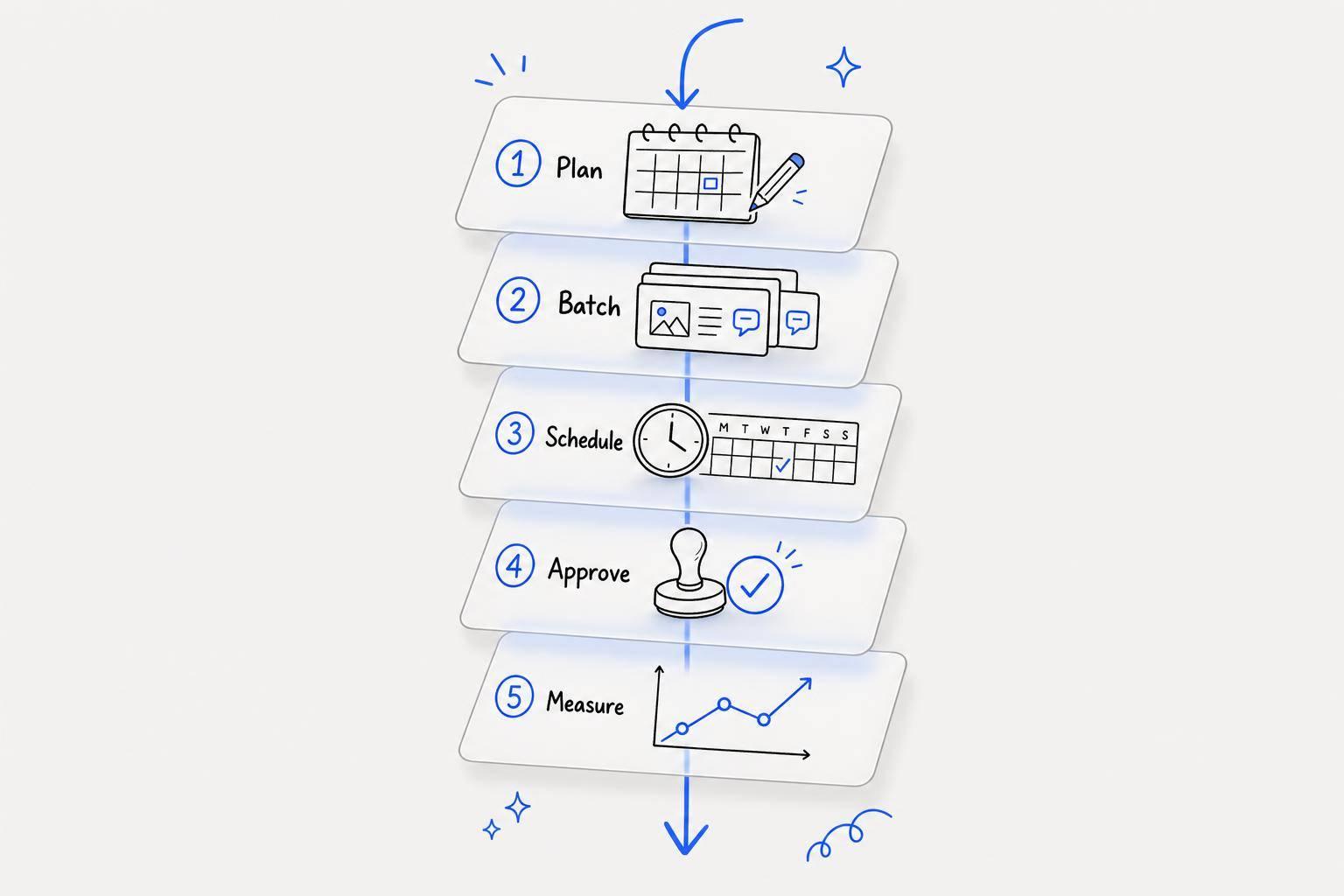
Batch Your Content Creation
Batching content is a game-changer for staying productive while avoiding burnout. By grouping similar tasks together, you eliminate the constant interruptions and decision-making that come with daily content creation. In fact, studies show you can save 23 minutes per interruption that would otherwise be lost to switching tasks.
Take Tamilore Oladipo, Senior Content Creator at Buffer, as an example. In April 2025, she managed to prepare an entire month's worth of social media content in just one 7-hour day before heading off on a month-long trip. Her strategy? She divided her time into focused blocks: 90 minutes for planning, 2 hours each for writing and filming, 1 hour for scheduling, and 30 minutes for backups. By the end of the day, she had created 5 text drafts, 4 video clips, and 3 backup posts, ensuring her online presence stayed intact without the stress of last-minute scrambling.
"It's not about posting more. It's about making sure your momentum isn't tied to your best days."
– Tamilore Oladipo, Senior Content Creator, Buffer
If you're just starting out, batching a week's worth of content - around 7 posts - can take as little as 2–3 hours once you’ve got a system in place. While planning a full month’s content might sound tempting, it’s better to focus on preparing 1–2 weeks in advance. Social media trends change quickly, and planning too far ahead can leave your content feeling outdated.
Batching doesn’t just save time - it also sets the stage for a smoother daily workflow.
Use Time‑Blocking for Goals
Once your content is batched, time-blocking can help you tackle each stage of production efficiently. This method involves reserving specific, non-negotiable time slots for different tasks. For instance, you might dedicate 90 minutes to drafting captions or 45 minutes to editing videos. When the timer runs out, take a break and move on.
You can also assign themes to each day of the week to simplify your schedule: Mondays for planning, Tuesdays for filming, Wednesdays for design, Thursdays for writing captions, and Fridays for scheduling. This approach minimizes the mental strain of jumping between unrelated tasks.
Here’s a surprising stat: the average knowledge worker gets just 1 hour and 12 minutes of uninterrupted focus time per day. Protecting these time blocks ensures you can complete high-priority tasks without the constant buzz of notifications pulling you away.
Set Boundaries and Track What Matters
Maintaining boundaries is essential for preserving your energy and avoiding the "always-on" feeling that 73% of social media professionals report experiencing. A good starting point? Limit your engagement time. Set aside two 15-minute windows each day to respond to comments and DMs.
Use tools like Screen Time on your iPhone to silence work-related apps outside of office hours. You might even designate one day a week as "untouchable", where you completely disconnect from social media and work emails.
When it comes to measuring your progress, focus on meaningful metrics like engagement rates rather than vanity metrics. To keep burnout at bay, track three key signals daily: hours of sleep, perceived stress (on a scale of 0–10), and evening energy levels (0–10). If you notice these slipping for three days straight, it’s time to simplify your content and prioritize rest.
These steps not only protect your mental health but also help you create a sustainable system for long-term success.
"The creators who win aren't the ones who post the most. They're the ones who build systems that make consistency effortless."
– BrandGhost
Conclusion
Setting clear, achievable social media goals can completely reshape how you work and help you steer clear of burnout. Burnout often comes from aiming too high, failing to set boundaries, or relying on systems that just don’t hold up. By swapping out vague aspirations for SMART goals, you define a clear endpoint - one that signals when it’s time to stop. These goals not only improve success rates but also help conserve your energy.
Sustaining long-term success isn’t about constant posting; it’s about protecting your creative energy. Techniques like batching, time-blocking, and leveraging AI tools can make a world of difference. For instance, Draft AI reduces writing time by roughly 37%, giving you more room to focus on creativity and strategy. Whether you stick with the free version or upgrade to Draft Pro, the aim stays the same: simplify your workflow so consistency feels natural, not forced.
"The real opportunity isn't 'AI to do more.' It's AI to change how the work feels - to remove friction, protect your attention, and let you focus on the meaningful creative decisions only humans can make."
– Megan Pierce, Content Strategist, FeedHive
Burnout is a common challenge - 61% of full-time creators have faced it - but it doesn’t have to be your story. Prioritize boundaries, track meaningful metrics, and remind yourself it’s okay to step back. As Mitra Mehvar from Buffer wisely notes:
"It's just social media. Nothing horrible will happen if you miss posting for one day".
FAQs
What SMART goals should I set for my social media?
When creating social media goals, it’s essential to follow the SMART framework. This ensures your objectives are clear, actionable, and effective. Here’s what each element means:
- Specific: Clearly outline what you aim to accomplish. For example, instead of saying "improve social media", focus on goals like increasing engagement rates or gaining a specific number of followers.
- Measurable: Use data to track your progress. Metrics like follower growth, click-through rates, or engagement percentages help you see if you're on track.
- Achievable: Keep your goals realistic. Consider your team size, budget, and available tools to avoid setting objectives that are out of reach.
- Relevant: Tie your social media goals to your business’s larger objectives. For instance, if your company’s priority is brand awareness, focus on metrics like reach and impressions.
- Time-bound: Set a clear deadline for each goal. This keeps you motivated and ensures steady progress toward your targets.
By sticking to these principles, you can create goals that are both practical and aligned with your overall strategy.
How many posts per week is sustainable without burning out?
Posting 3 to 4 times per week strikes a good balance between staying consistent and avoiding burnout. This schedule gives you enough room to create quality content without overwhelming yourself, helping you maintain both productivity and personal well-being.
How can Draft AI help me stay consistent with less effort?
Draft AI simplifies the way you create content, cutting down on decision fatigue and helping you save time. With tools like pre-designed templates, options for visual customization, and AI-powered content generation, you can craft polished social media posts in no time. Plus, its batching feature lets you plan an entire week’s content in one go, reducing the need for daily planning and helping you stay energized.