Social Media Content Creation Checklist
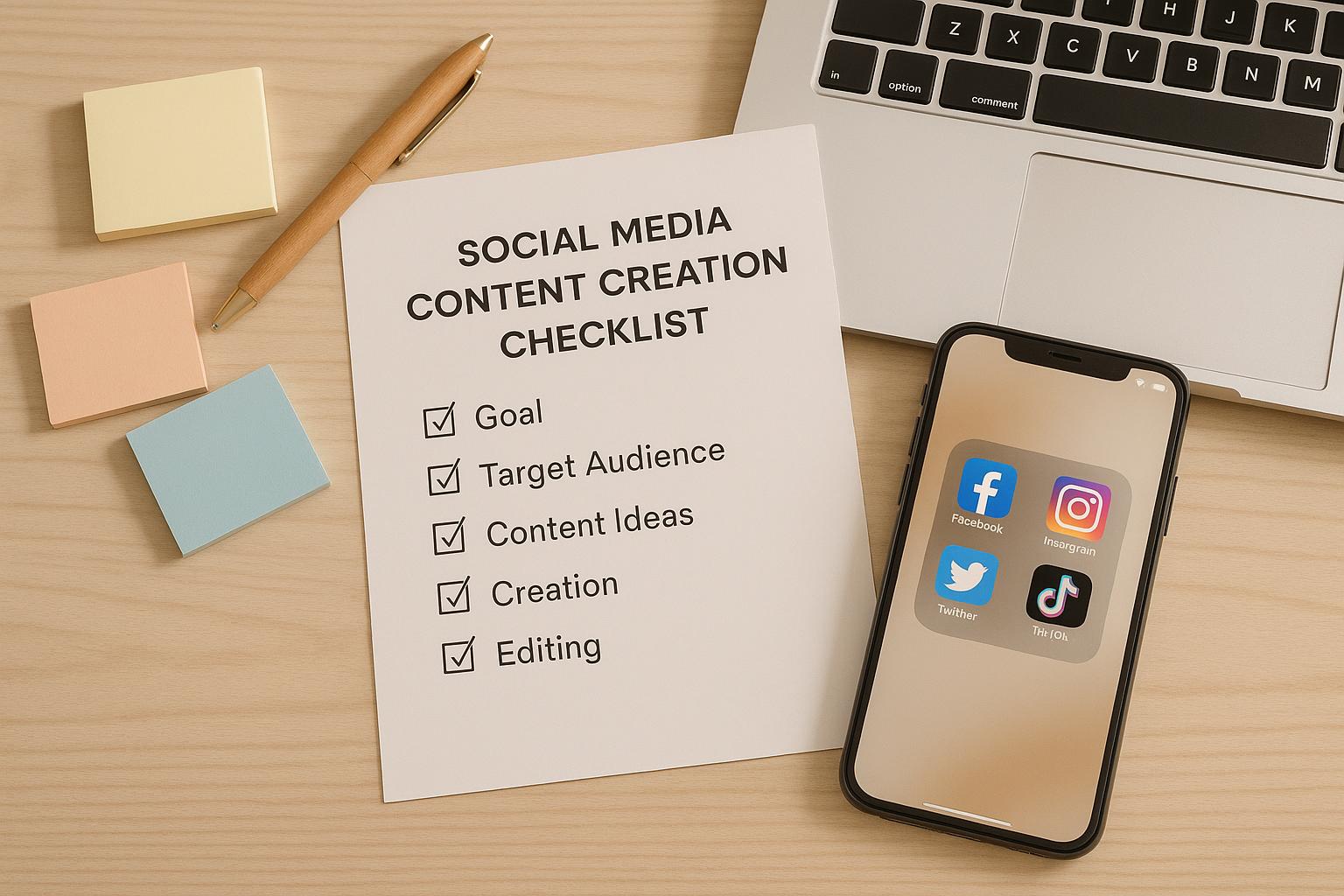
Feeling overwhelmed by social media? This checklist simplifies the process, helping you plan, create, and manage posts efficiently while keeping your audience engaged. Whether you're a business owner, marketer, or creator, this guide breaks down everything into actionable steps to streamline your workflow and improve results.
Key Steps:
- Set Clear Goals: Define specific, measurable objectives like increasing website traffic by 25% in 3 months.
- Know Your Audience: Use analytics and surveys to understand their preferences, habits, and challenges.
- Create a Content Calendar: Plan posts around important dates, use themes, and batch-create content to save time.
- Diversify Content Formats: Mix videos, images, polls, and user-generated content to keep things engaging.
- Leverage Tools: Use AI tools like Draft AI to speed up content creation and maintain consistency.
- Automate Scheduling: Use scheduling tools to post at optimal times without constant manual effort.
- Engage Actively: Respond to comments, messages, and mentions promptly to build stronger connections.
- Collaborate: Partner with influencers or brands to expand reach and credibility.
- Track Performance: Regularly review metrics like engagement and conversions to refine your strategy.
Key takeaway: Focus on consistent, meaningful content aligned with your goals and audience needs. Use tools and data to simplify the process and improve efficiency over time.
Daily Social Media Checklist to Grow Your Brand to 100K Followers on Social Media
Planning and Strategy: Build Your Foundation
Every thriving social media presence starts with a solid foundation. Without a clear plan, your posts can feel scattered, lacking both focus and measurable results. To build this foundation, you need three key elements: define what success looks like, understand your audience, and organize when and how you'll share your content.
Set SMART Goals for Your Campaigns
Goals like "get more followers" or "increase engagement" are too vague to drive meaningful results. Instead, focus on SMART goals - those that are Specific, Measurable, Achievable, Relevant, and Time-bound. This framework turns general aspirations into actionable plans.
Start by pinpointing your main objective: do you want to drive traffic, generate leads, boost brand awareness, or increase sales? Once you’ve nailed that down, make it measurable. For instance, instead of saying, "increase website traffic", aim for something like, "increase website traffic from social media by 25% within the next three months."
Your goals should align with your broader business objectives and include timeframes to keep you on track. Break them into short-term goals (weekly or monthly) and longer-term ones (quarterly or annually). This way, you can monitor progress, make adjustments, and work steadily toward bigger milestones.
Once your goals are set, it’s time to focus on who you’re trying to reach.
Know Your Target Audience
A strong content strategy depends on knowing your audience inside and out. Audience research takes the guesswork out of your decisions and helps you create content that truly resonates.
Start by digging into the data you already have. Social media analytics can reveal insights about your current audience - things like age, gender, location, and engagement habits. But don’t stop there. Look at behavior: When are they most active? What type of content sparks the most interaction? Which posts lead to comments, not just likes?
Take it a step further by creating customer personas that go beyond the basics. Think about their challenges, goals, and communication preferences. For example, you might define one persona as "Sarah, 32, a working mom in suburban Chicago who checks Instagram during her commute and loves time-saving family meal ideas."
Surveys are another powerful tool. Ask your customers or followers directly about their content preferences, favorite platforms, and what kind of information they find helpful. These insights can uncover details that analytics alone might miss.
Pay close attention to how your audience communicates. Do they prefer a casual, friendly tone or something more professional? Are they seeking entertainment, education, or inspiration? Matching their style makes your content feel more relatable and authentic.
Finally, explore where your audience spends time online beyond your own profiles. Join Facebook groups, LinkedIn communities, or Reddit threads where they discuss topics related to your industry. These spaces can reveal the questions they’re asking and the problems they’re trying to solve.
Create a Content Calendar
When it comes to social media, consistency beats perfection. A content calendar keeps you organized, reducing the daily stress of figuring out what to post while ensuring your content aligns with your goals.
Start by mapping out important dates for your business. Include product launches, seasonal promotions, holidays, and industry events that matter to your audience. For instance, a fitness coach might plan content around New Year’s resolutions, summer fitness tips, and back-to-school routines.
Consider using weekly or monthly themes to keep your content varied and focused. For example, you could dedicate Mondays to motivational posts, Wednesdays to educational tips, and Fridays to behind-the-scenes glimpses. Themed content not only simplifies planning but also sets clear expectations for your audience.
Mix up your content types to keep things fresh. Aim for a balance between promotional posts and value-driven content like educational tips, user-generated content, or entertaining pieces. A good rule of thumb is the 80/20 approach: 80% of your posts should inform, entertain, or educate, while 20% can focus on promoting your products or services.
When building your calendar, include as much detail as possible. Don’t just write "post on Instagram." Specify the content type, key message, hashtags, and any visuals you’ll need. This saves time during busy periods and ensures nothing gets overlooked.
Leave some flexibility for timely, trend-driven posts. While your calendar provides structure, it shouldn’t stop you from joining relevant conversations as they happen.
Finally, plan your content creation in batches. Instead of creating posts one by one, set aside dedicated time for photography, writing, or graphic design. Batching not only saves time but also ensures your visuals and messaging stay consistent across all your posts.
Content Creation and Optimization
With your strategy and calendar ready, the next step is crafting content that genuinely connects with your audience. The key is to work smarter, not harder - leveraging the right tools, experimenting with various content formats, and fine-tuning your posts for better engagement and reach. Let’s dive into some practical ways to diversify and enhance your content.
Use AI Tools for Content Creation
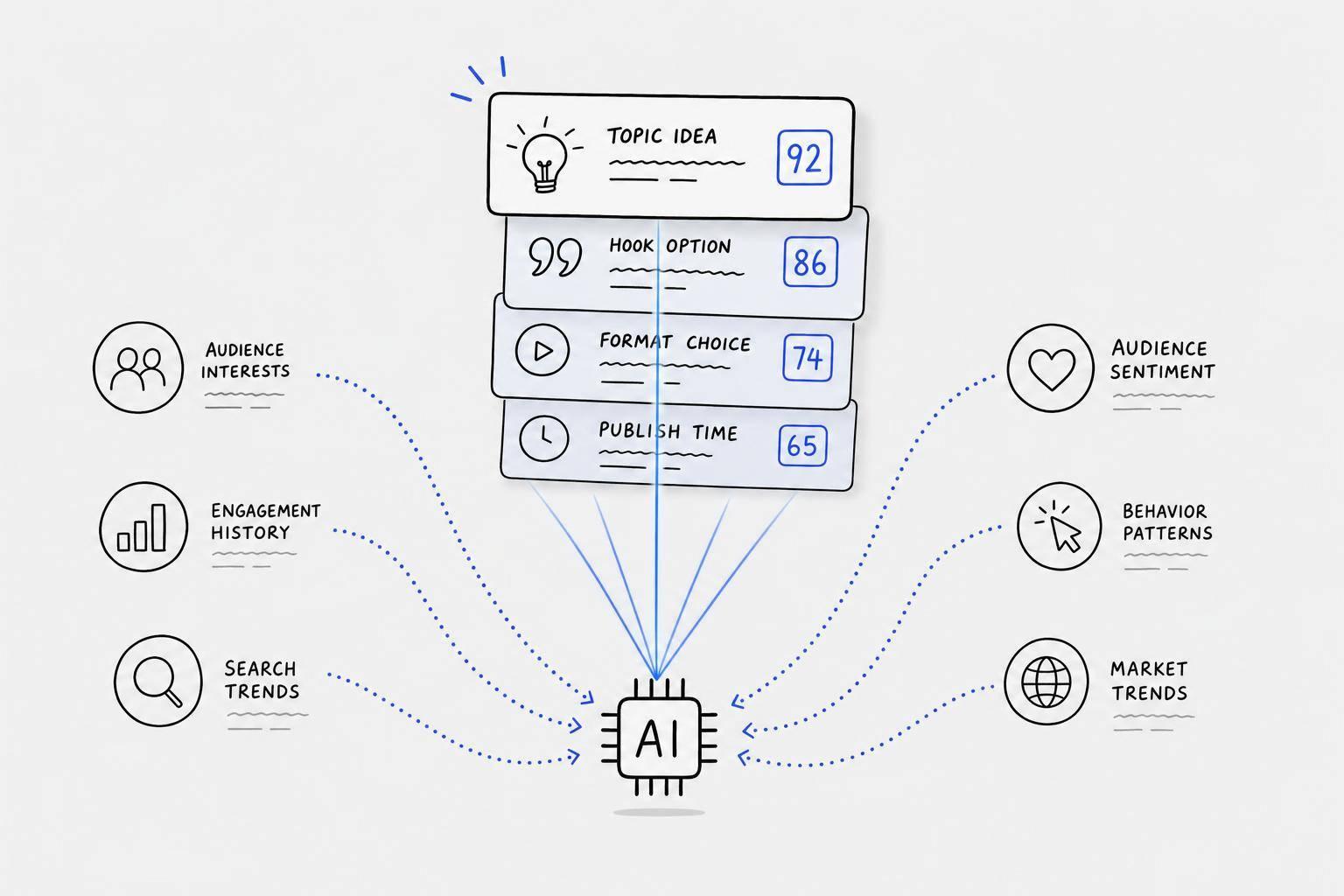
Creating consistent, high-quality content doesn’t have to feel like climbing a mountain. AI-powered tools can handle much of the heavy lifting, giving you more time to focus on strategy and audience interaction.
Take Draft AI, for example. It turns your raw ideas into polished posts, carousels, and scripts using pre-designed templates that you can tweak to fit your brand’s voice. Its multilingual capabilities let you adapt a single post for different regions without losing the essence of your message.
Over time, Draft AI learns your writing style, mimicking your tone and vocabulary so your content stays personal and relatable - even as you scale up production. Plus, features like photo uploads and smart layouts ensure your images are automatically optimized for various platforms, keeping your visuals sharp and professional.
Mix Different Content Types
Switching up your content formats helps keep your audience engaged. Here are some ideas:
- Behind-the-scenes videos: Show a more authentic, human side of your brand.
- Static images and infographics: Share key information in a visually appealing way.
- Interactive elements like polls and quizzes: Boost participation and spark conversations.
- User-generated content: Encourage customers to share their experiences - it not only builds credibility but also eases your content creation efforts.
The more variety you offer, the more opportunities you create to connect with a diverse audience.
Write Clear Captions and Choose Good Hashtags
Captions are your chance to speak directly to your audience. Use a conversational tone and words like "you" to create an immediate connection. For instance, instead of saying, "Small business owners often face time management challenges", try, "You’re juggling a million tasks right now - finding the right strategy can make all the difference."
Keep captions short and easy to read. Break up longer ones with line breaks for better readability, and don’t shy away from using emojis to add a splash of personality. This is especially useful since users often scroll quickly through their feeds.
Hashtags, on the other hand, can extend your reach beyond your current followers. Use a mix of broad and niche hashtags to connect with people who are already interested in specific topics or trends. Track which hashtags perform best and adjust your strategy as needed to maximize engagement.
Scheduling and Automation
Creating engaging content is just the first step. The next challenge? Keeping a consistent posting schedule without spending hours glued to your phone. This is where smart scheduling and automation come into play. These tools help you stay active across platforms while freeing up your time for bigger-picture strategies. Let’s dive into how automated scheduling can help you maintain your online presence while saving precious hours.
Use Scheduling Tools to Automate Posts
Scheduling tools take the hassle out of daily posting by letting you plan and automate content in advance. Instead of scrambling to post every day, you can dedicate focused time to creating and scheduling multiple posts at once - like drafting all your captions for the week in a single session. This approach reduces distractions and keeps you in a creative flow, resulting in better-quality content.
These platforms also allow you to optimize visuals and captions for different networks, ensuring your content looks its best everywhere it appears. Plus, many scheduling tools analyze your audience's activity to determine the best times to post. By publishing during peak engagement periods, your posts are more likely to reach a wider audience - even when you’re offline.
"Scheduled posting functionality enables strategic content distribution, allowing brands to maintain consistent online presence while optimizing publishing times for maximum audience engagement and platform algorithm performance." - PostNext
Another benefit? Most scheduling platforms support multi-platform coordination. This means you can maintain a consistent brand voice across all your channels while tailoring your messaging to suit each platform’s unique audience and features. Automation takes care of the heavy lifting, leaving you free to focus on refining your posting strategy for maximum impact.
Find the Right Posting Frequency and Times
Once your posts are automated, the next step is figuring out how often and when to post for the best results. Striking the right balance is key - post too infrequently, and your audience might lose interest; post too often, and you risk overwhelming them. While the "perfect" posting frequency varies by platform and audience, there are some general guidelines to get you started.
Start small and build up. If you’re new to a platform, begin with 1-2 posts per week and gradually increase as you learn what your audience responds to. This lets you avoid burnout and gives you time to fine-tune your strategy based on performance.
Here’s a quick reference for posting frequency across popular platforms:
| Platform | Recommended Frequency | Key Considerations |
|---|---|---|
| 3-7 times per week | Larger audiences can handle daily posts; newer accounts should avoid overloading followers | |
| 1-2 times per day | Crowded feeds may require more frequent posting for visibility | |
| X (Twitter) | 1-2 times per day | Limit to 3-5 posts daily to stay active without spamming |
| 1-5 times per week | Start with at least one post per month to build momentum | |
| TikTok | 1-4 times per day | Consistency matters on this high-frequency platform |
Timing is just as important as frequency. Most scheduling tools include analytics features that analyze your audience’s behavior - typically over the past 30 days - to recommend the best times to post. Whether your goal is to boost engagement, increase brand awareness, or drive traffic, these insights can help you align your schedule with your audience's habits.
The secret to success lies in continuous improvement. Regularly review metrics like engagement rates, click-through rates, conversions, reach, and impressions to identify trends. For instance, you might find that your audience is most active on Thursday afternoons or that video content performs better on weekends.
"While automation can handle the mechanical aspects of social media management, human touch remains essential for building meaningful connections with your audience." - Ashwini Pai, Generalist Copywriter
Consistency is key. It’s far better to post regularly at a manageable pace than to overcommit and burn out. Your audience appreciates reliability and wants to know when they can expect new content.
To stay organized, plan your content calendar at least a month in advance, including key dates and campaigns. For routine posts, scheduling 1-7 days ahead works well. For larger campaigns or seasonal announcements, plan several weeks in advance to allow time for adjustments while maintaining a steady rhythm.
sbb-itb-9f5fe42
Engagement and Community Management
Once your posts are automated and live, the real work begins: fostering meaningful interactions within your community. Effective community management goes far beyond simply posting content - it’s about creating genuine, two-way conversations. Brands that thrive on social media understand that it’s not just a broadcasting tool but a platform to build relationships. This approach turns your scheduled posts into opportunities for authentic engagement.
Community management is where your brand’s voice and personality take center stage. Every response to a comment, direct message, or interaction shapes how people perceive your brand. These personal touches can turn casual followers into loyal customers and advocates who share your content with their own networks.
Reply to Audience Interactions
Engaging with your audience starts with responding quickly to comments, messages, and mentions. A timely response shows that real people are behind your account, building trust and encouraging others to interact. When followers see that you’re responsive, they’re more likely to ask questions, share experiences, and leave comments.
Set aside time each day for check-ins to respond to interactions. For many businesses, morning and evening check-ins work well, but adjust based on when your audience is most active. A short, thoughtful reply can make a big difference in making followers feel valued.
Make your responses personal and specific. Instead of generic replies, reference something unique in their comment or question. For instance, if someone shares a photo of your product, mention how they’re using it or compliment their creativity. This level of attention shows you genuinely care about your community.
Negative feedback should be handled openly and professionally. Address concerns publicly when appropriate, but take detailed discussions to private messages. This approach demonstrates your commitment to resolving issues while keeping your public feed positive. Often, customers who experience excellent service on social media become some of your most loyal supporters.
For common questions, use response templates to save time. Create standard replies for FAQs about shipping, pricing, or product details, but always add a personal touch so your responses don’t feel robotic.
Work with Influencers and Partners
Collaborating with influencers and like-minded businesses can expand your reach and build credibility. Start by identifying influencers or brands that share your target audience but don’t compete directly with you. For example, a local coffee shop might team up with a bookstore, or a fitness coach could partner with a meal prep service.
Focus on micro-influencers in your niche. These creators often have smaller but highly engaged audiences who trust their recommendations. Plus, they’re usually more affordable than celebrity accounts and can deliver stronger connections with their followers.
Before proposing a partnership, engage with their content genuinely. When you reach out, be clear about what you’re offering and what you hope to achieve together. Setting clear expectations upfront helps avoid misunderstandings and creates stronger collaborations.
Think beyond traditional sponsored posts. Consider product exchanges, joint giveaways, co-created content, or even social media takeovers. These formats often feel more natural to audiences and can yield better results than paid promotions.
Monitor the success of your partnerships to see which ones drive the most engagement, followers, or sales. Use this data to refine your strategy and focus on relationships that deliver meaningful results.
Create Interactive Content to Increase Engagement
Interactive content invites your audience to actively participate, turning passive scrollers into engaged community members. Simple tools like polls, questions, and surveys are great for sparking engagement while gathering insights about your audience’s preferences.
Use Instagram and Facebook Stories to ask quick questions about products, content ideas, or business decisions. These polls make it easy for followers to participate, and their feedback can help you fine-tune your offerings. Share the results to show you value their input.
Live videos are another powerful way to connect in real time. Host Q&A sessions, product demos, behind-the-scenes tours, or casual chats about topics your audience cares about. The live format encourages immediate interaction, creating dynamic conversations that pre-recorded videos can’t replicate.
Encourage user-generated content by creating branded hashtags and inviting customers to share their experiences. When you repost their content (with permission), it not only shows appreciation but also provides authentic social proof for potential customers.
Contests and giveaways are excellent for building excitement and attracting new followers. To ensure quality engagement, require participants to follow your account, tag friends, or share content related to your brand. This approach helps grow your community while ensuring participants are genuinely interested.
Finally, use open-ended questions in your captions to spark meaningful conversations. Instead of asking yes-or-no questions, encourage followers to share their experiences or opinions. Questions like “What’s the biggest challenge you’ve faced with...?” or “What’s your favorite way to...?” can inspire thoughtful responses and foster discussions within your community.
Performance Review and Optimization
Once your scheduling and engagement strategies are in place, the next step is to evaluate how well they're working. Tracking your social media performance is crucial for understanding how your content resonates with your audience and contributes to your business goals. Keep an eye on key metrics like engagement, reach, and conversions to pinpoint what's effective and what might need tweaking.
Monitor Key Metrics
Pay attention to metrics that matter. Engagement shows how well your audience interacts with your content, reach highlights how far your posts travel, and conversions reveal how your efforts translate into tangible results. These indicators provide a clear picture of your content's impact and help shape your future decisions.
Review Performance Regularly
Make performance reviews a regular habit. By consistently analyzing your metrics, you can uncover trends and measure the success of your strategy over time. Tools like analytics dashboards make it easier to track these numbers and identify patterns. These insights are invaluable for staying agile and improving as you go.
Adjust Content and Strategies
Use the data you gather to fine-tune your approach. Double down on the content types and formats that resonate most with your audience, and rethink areas that aren’t delivering results. This ongoing adjustment ensures your strategy stays relevant and aligned with your goals.
Conclusion: Streamline and Succeed
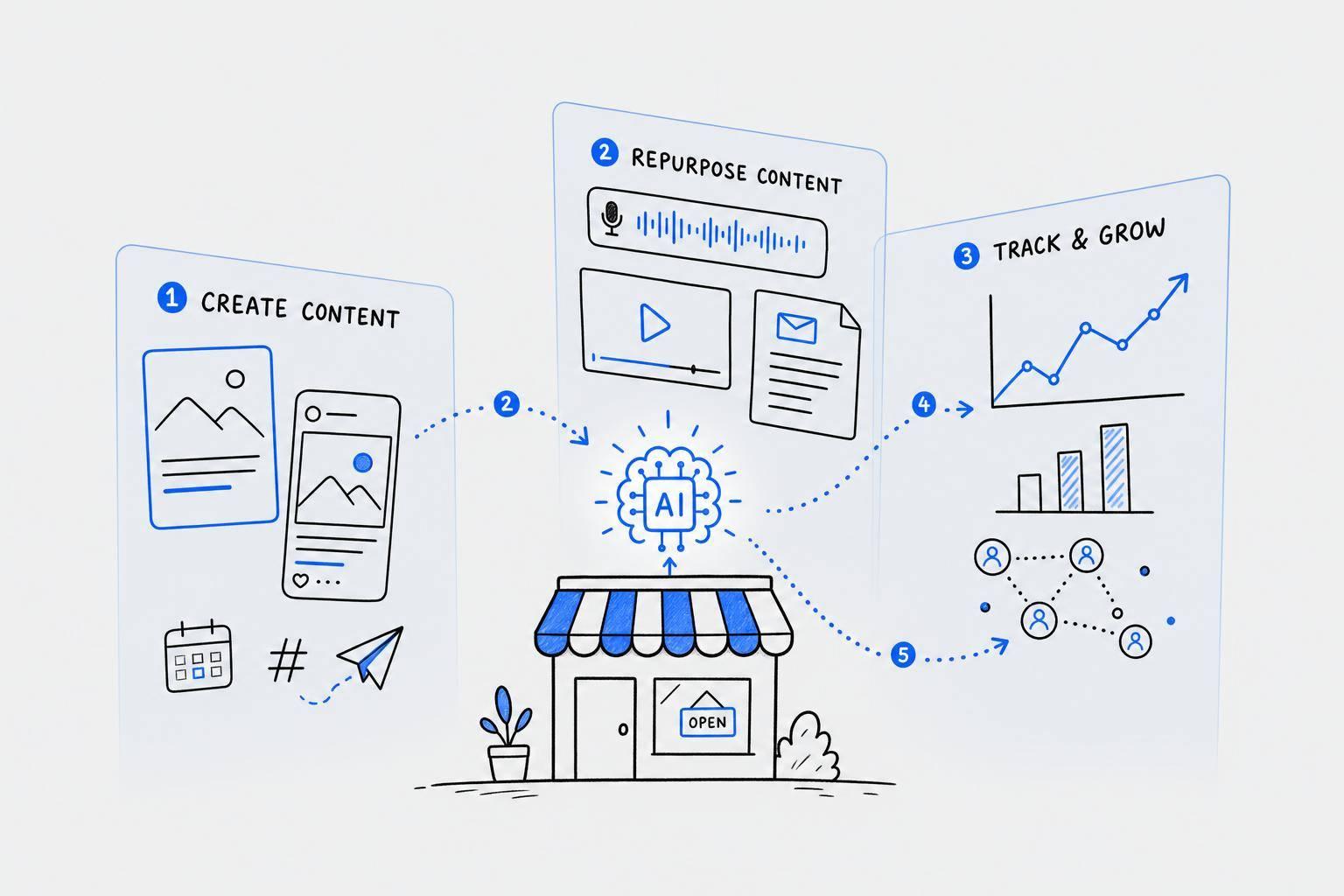
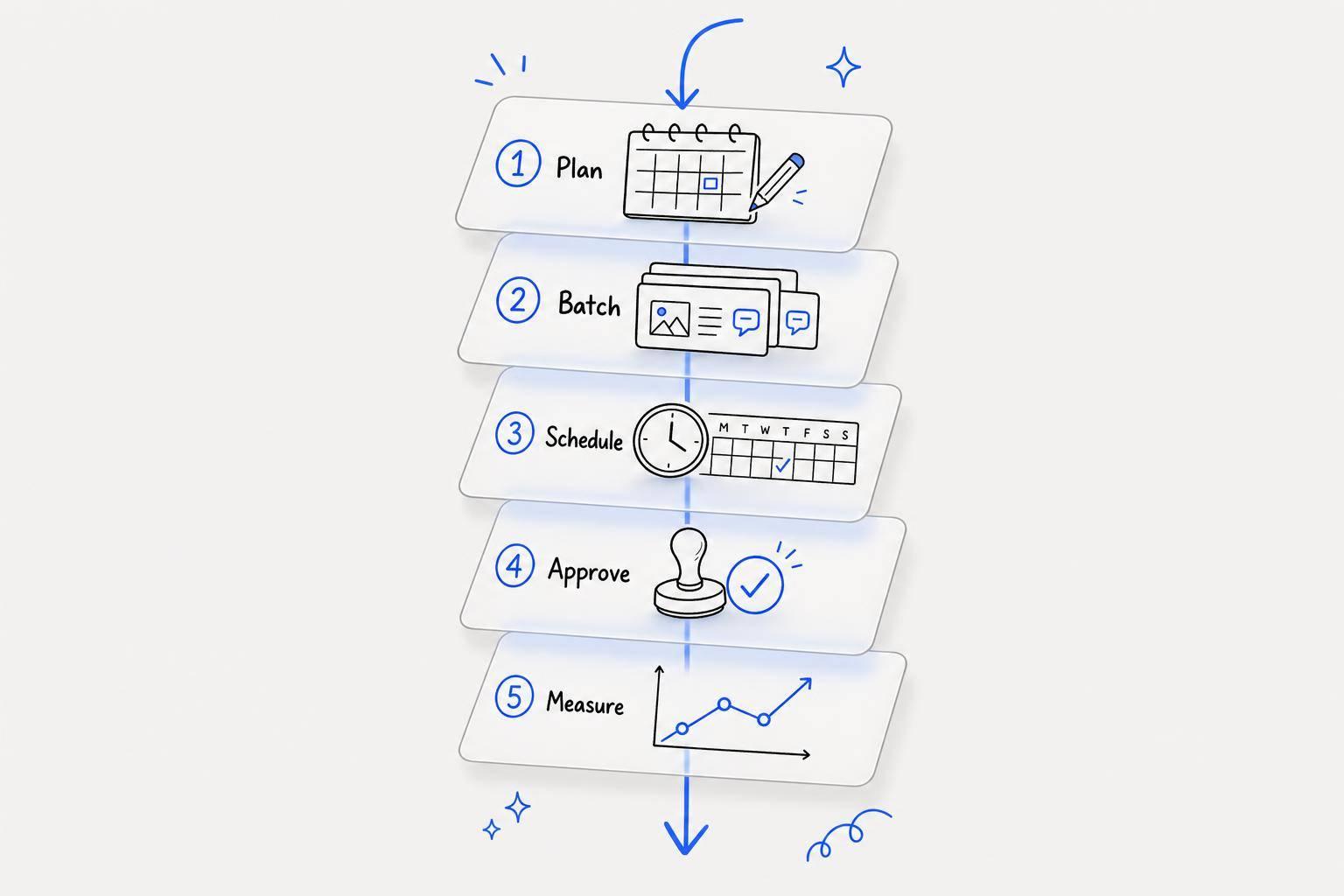
Crafting engaging social media content doesn’t have to feel like an uphill battle - having a solid system can make all the difference. The checklist we’ve explored combines the key ingredients: strategic planning, creative content creation, consistent scheduling, active engagement, and data-driven improvements. Together, these elements help you build a social media presence that not only grabs attention but fosters genuine connections with your audience.
What makes a structured approach so effective is how it simplifies what might seem like an overwhelming process. Clear goals, a deep understanding of your audience, and a well-maintained content calendar can give you a noticeable advantage. Add modern tools like Draft AI into the mix, and you can save hours of effort while still producing high-quality, tailored content. With features like ready-to-use templates, voice-to-text capabilities, and multilingual options, tools like these make content creation faster and more efficient.
And here’s an important reminder: consistency matters more than perfection. Posting regularly with meaningful, helpful content will resonate more with your audience than waiting endlessly for a post to be "just right." People appreciate authenticity and value over polished but impersonal posts. Stay engaged, share content that’s useful, and rely on performance data to fine-tune your strategy as you go.
FAQs
How can I use AI tools like Draft AI to improve my social media content creation?
AI tools like Draft AI can make social media content creation faster and more imaginative. These tools can help you come up with fresh post ideas, write attention-grabbing captions, and even create visuals that resonate with your audience. On top of that, they analyze trends and recommend optimal posting times, giving your content a better chance to shine.
To make the most of Draft AI, begin by defining your goals and understanding your target audience. Use its features to brainstorm ideas, fine-tune your messaging, and keep a consistent tone across all your posts. With built-in tools for scheduling and tracking performance, you’ll not only save time but also ensure your content aligns perfectly with your overall strategy.
How can I keep my audience engaged while using automated scheduling tools for social media?
To keep your audience engaged while using automated scheduling tools, it's essential to focus on crafting content that feels genuine and personal. Automation shouldn't mean losing your brand's unique voice - your posts should still connect with your audience on a meaningful level.
Make it a habit to check your scheduled posts frequently and respond to comments or messages without delay. This real-time interaction helps build trust and keeps your audience feeling valued. To add variety, balance automated posts with live updates, like behind-the-scenes moments or discussions about trending topics. This approach keeps your feed fresh and engaging.
Don't forget to dive into your engagement metrics. Understanding which content hits the mark allows you to fine-tune your strategy, ensuring your posts stay relevant and continue to resonate with your audience.
What’s the best way to figure out the ideal times to post on social media for better engagement and reach?
To figure out the best times to post on social media, start by looking into general posting guidelines for each platform. These suggestions are often based on patterns in user activity and can give you a solid starting point. Once you've done that, dive into the analytics tools available on your social media accounts. These tools can help you pinpoint when your audience is most active and engaged.
From there, tweak your posting schedule based on what you learn. Keep an eye on how your posts perform and adjust as needed. Finding the perfect timing often requires a mix of consistency and trial-and-error to see what resonates with your unique audience.