How AI Predicts What Content Works Best
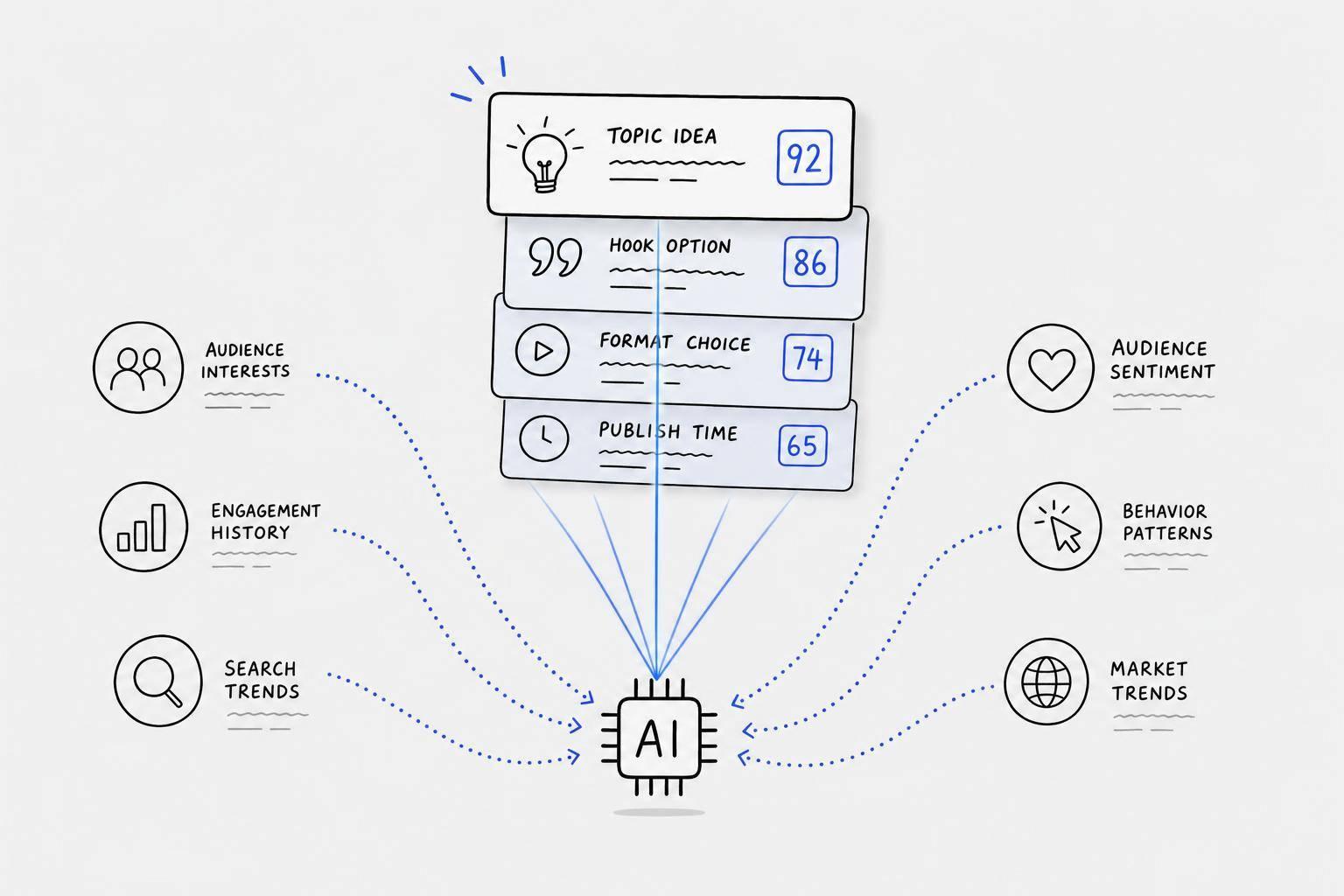
AI can help you pick better content ideas before you spend hours making them. Instead of relying on gut feel, I’d use AI to score topics, hooks, formats, timing, and likely results based on past data like watch time, saves, shares, and conversions.
Here’s the short version:
- I can use AI to rank content ideas before production
- It looks at audience behavior, post traits, and platform signals
- It helps me choose better topics, hooks, formats, and publish times
- It works best when I compare predictions with actual results
- After enough history - like 50+ posts or 6–12 months of data - the scores get more useful
- A tool like Draft AI can then turn top ideas into posts, scripts, and carousels
A few numbers stand out:
- More than 500 hours of video hit YouTube every minute
- Some timing models claim 82–88% accuracy
- Teams that review prediction gaps often see 15–25% better engagement in 3 months
- AI review can cut analysis time from 12–18 hours to 1–2 hours
Bottom line: I wouldn’t use AI to replace judgment. I’d use it to filter weak ideas early, put stronger ones first, and spend more time on content that has a better shot at working.
Why Guessing What Content Will Work Is a Real Problem
Why Content Performance Feels Unpredictable
Content feels unpredictable for a simple reason: each platform rewards different actions, and those signals keep shifting. A post that gets strong traction on LinkedIn can flop on TikTok or Instagram because user behavior and audience expectations are different on each platform.
For example, Instagram puts a lot of weight on saves when it decides how far to push Reels. TikTok cares more about whether people stay past the first 3 seconds and whether they watch again. So even if a post looks like a winner, that doesn’t mean it will travel well from one platform to another. Instinct alone usually isn’t enough.
The Cost of Relying on Gut Feel and Basic Analytics
Those moving signals help explain why gut calls miss the mark so often. When teams lean on instinct, they usually repeat whatever felt good most recently. That kind of recency bias can make a recent win seem bigger than it is.
The problem is that this hides the deeper patterns, like which emotional tone gets more shares or which hook formula keeps pulling people in. And when the guess is wrong, the cost adds up fast:
- Production time gets burned
- Design time gets wasted
- Ad spend goes to content that was never likely to perform well
This Is a Process Problem, Not a Creativity Problem
The issue usually isn’t a lack of ideas. Most teams can come up with plenty of good concepts. The hard part is picking the right one for a specific audience, on a specific platform, at a specific time.
A team might have ten solid ideas on the table and still have no clear way to score them before production. That’s not a creativity issue. It’s a process gap.
What’s missing is a repeatable way to filter ideas before time and money go into making them. That’s where AI starts to help by turning audience behavior into a decision filter.
Next, AI shows how it learns those patterns from audience behavior.
How AI Learns From Your Audience's Behavior
What Data AI Uses to Predict Performance
AI learns from audience behavior. It looks at engagement signals like likes, shares, saves, watch time, and conversions. It also reviews content traits such as topic, format, length, structure, and tone.
Audience context matters too. AI factors in demographics, location, device type, language, and platform behavior. It can also account for peak posting windows based on audience and time zone.
Those signals start to matter when AI ties them back to specific content traits.
How AI Finds Patterns People Miss
AI can spot patterns that are easy for people to miss. A person looking over last month’s posts might see that videos did well. An AI model can go a step further and detect that technical depth plus a conversational tone tends to beat polished, formal posts for that same audience.
NLP and machine learning connect language patterns to results. NLP breaks down meaning and phrasing. Machine learning then maps those features to outcomes across thousands of past data points. That gives teams a level of pattern matching that manual review just can’t reach at scale.
One signal deserves close attention: early saves and shares. AI models often give these extra weight because they can predict long-term reach better than raw view counts.
Once AI spots those patterns, it can rank new ideas before anything goes live.
How Predictions Become Scores and Rankings You Can Use
Some tools turn those signals into a 0–100 score or a probability rank. That helps teams sort stronger ideas before production starts.
Instead of arguing over which of ten ideas should go first, teams can line them up by predicted performance and move the highest-probability content to the front of the queue.
That’s the step where prediction starts shaping content decisions.
AI in Monitoring Content Performance | Exclusive Lesson
Turning AI Predictions Into Better Content Decisions
Once AI scores and ranks your ideas, use those signals before you spend time scripting, designing, or editing. That turns prediction into a practical editorial filter instead of just another dashboard metric.
Choosing Topics, Hooks, and Angles With Higher Upside
Start by using the score to narrow your topic list. Then put the strongest hooks and angles at the front of the line. Based on those scores and search trends, AI can surface topics with more upside and help you sort the best concepts before production begins.
Hooks can be screened the same way. AI can review opening lines and signals like sentiment and emotional tone, then point out which angles are more likely to grab attention and which ones deserve a closer look before you make the asset.
Matching Format, Length, and Timing to Audience Behavior
AI can forecast whether an idea is more likely to work as a carousel, a short video script, or a text post by looking at past saves, likes, and completion rates. It can also flag the best length by finding patterns in word count or video duration.
Some models predict optimal publish times with 82–88% accuracy, which cuts down on scheduling guesswork. The same idea applies to timing in general and to how closely the final piece should line up with your brand style.
Keeping Content On-Brand While Improving Performance
There’s a catch here: chasing performance scores too hard can flatten your brand voice. AI tools can learn a specific brand voice from past top-performing content and use that lens on new suggestions, so performance-focused edits still sound like you.
A smart way to handle this is simple:
- Use AI to optimize 70–80% of your calendar.
- Save 20–30% for tests that push past older patterns.
That split helps keep the feed from feeling bland while still giving you room to improve results.
Next, compare predicted results with actual engagement and use the gap to sharpen future scores.
sbb-itb-9f5fe42
Measuring Results and Refining Predictions Over Time
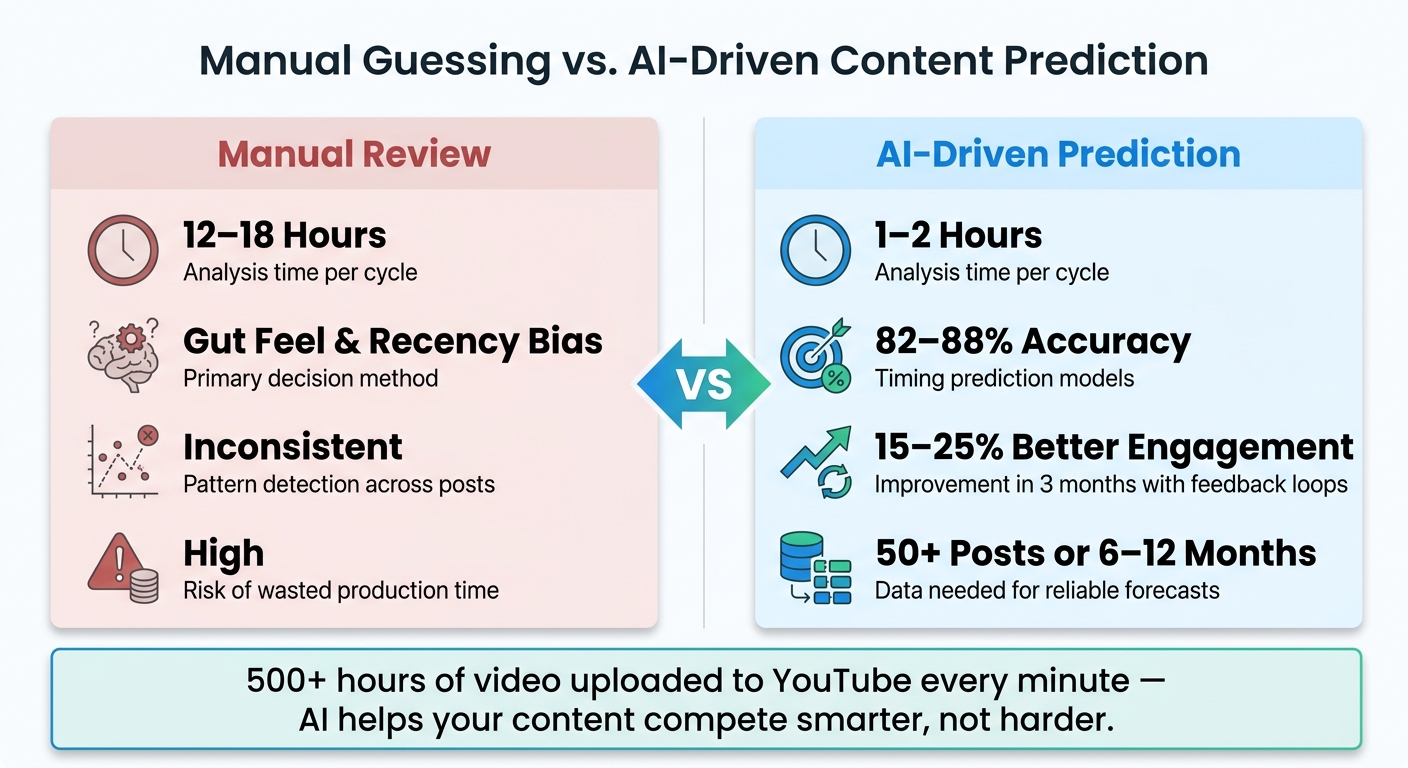
Manual Content Planning vs. AI-Driven Prediction: Key Stats
Once AI scores your content, the next move is simple: check those scores against what actually happened. AI gets better only when teams compare forecasted performance with real results.
Comparing Predicted Outcomes With Real Engagement
Review AI scores each month against engagement, reach, and conversions. When a post does well and the model saw it coming, that tells you the system is reading the right signals. When it misses, that’s where the useful stuff shows up.
If a prediction is way off, dig into the cause. Maybe the topic didn’t match what the audience cared about. Maybe the timing was off. Maybe the format just didn’t land. Those misses can point to patterns the model still doesn’t catch, like emotional triggers or how new a topic feels.
Teams that check these misses on a regular basis and adjust their content often see engagement improve by 15–25% over a three-month period.
It also helps to watch early signals such as:
- Saves
- Shares
- Thoughtful comments
These often point to stronger long-term results.
Using New Data to Sharpen Future Content
After reviewing results, tag the winners so the model can learn from them faster. Every campaign adds more data, and small changes to hooks, CTAs, and timing can help tighten future predictions.
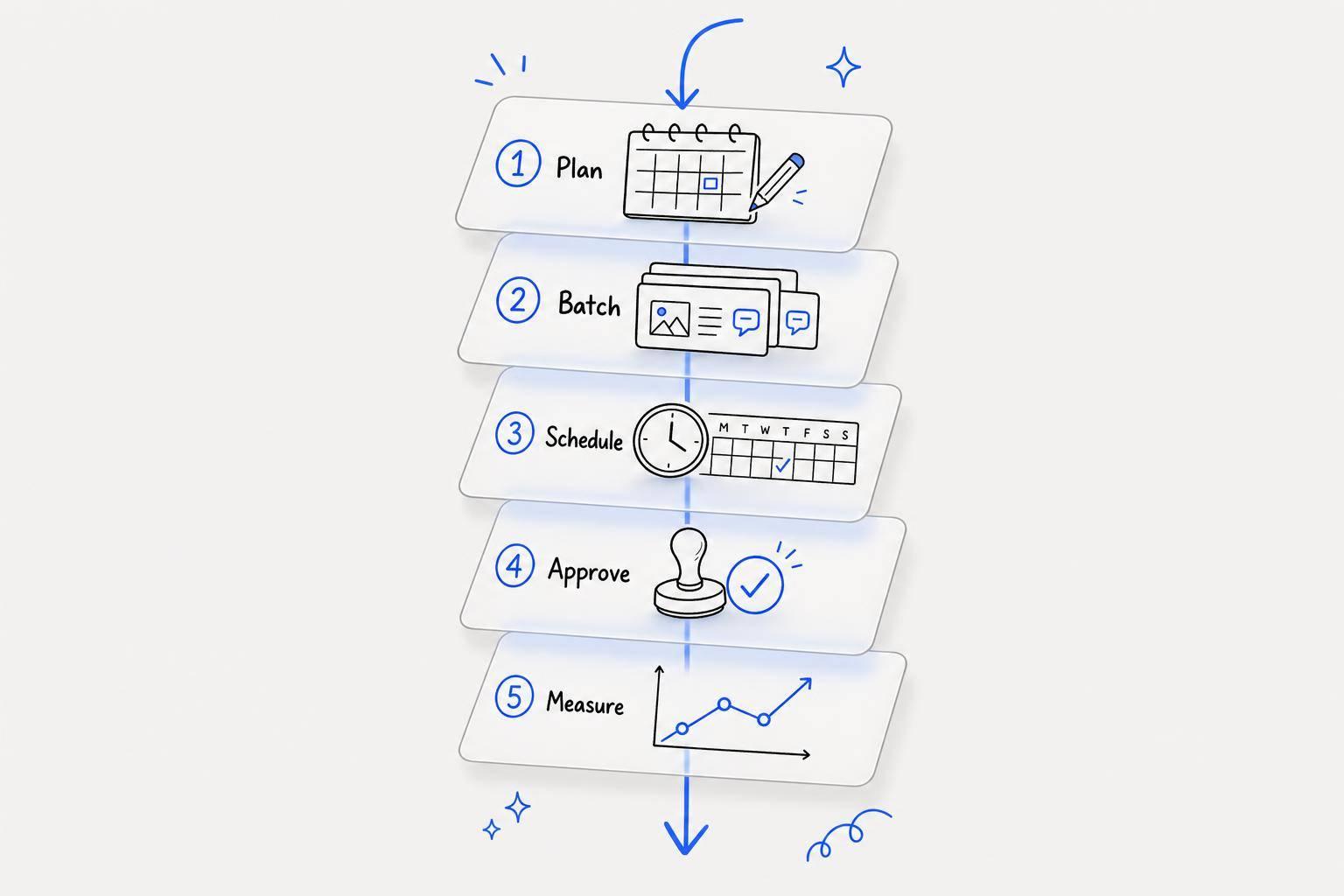
One practical approach is to tag every post before publishing by theme, format, tone, and objective. That may sound a bit tedious, but it pays off. After 90–180 days of tagged data, AI can start to spot stronger patterns.
From there, test specific changes instead of guessing. For example, try a hook rewrite or swap one CTA for another, then run A/B/C tests in 7–10 day sprints.
You’ll also want enough history before leaning too hard on AI forecasts. Use 6–12 months of past data, or at least 50+ posts, before treating predictions as a major input. With limited data, forecasts get noisy.
Manual Guessing vs. AI-Driven Prediction
This feedback loop doesn’t just help with accuracy. It also cuts down analysis time. Manual review can take 12–18 hours per cycle, while AI scoring can shrink that to 1–2 hours and keep the analysis consistent.
Using Draft AI to Predict and Create Better-Performing Content
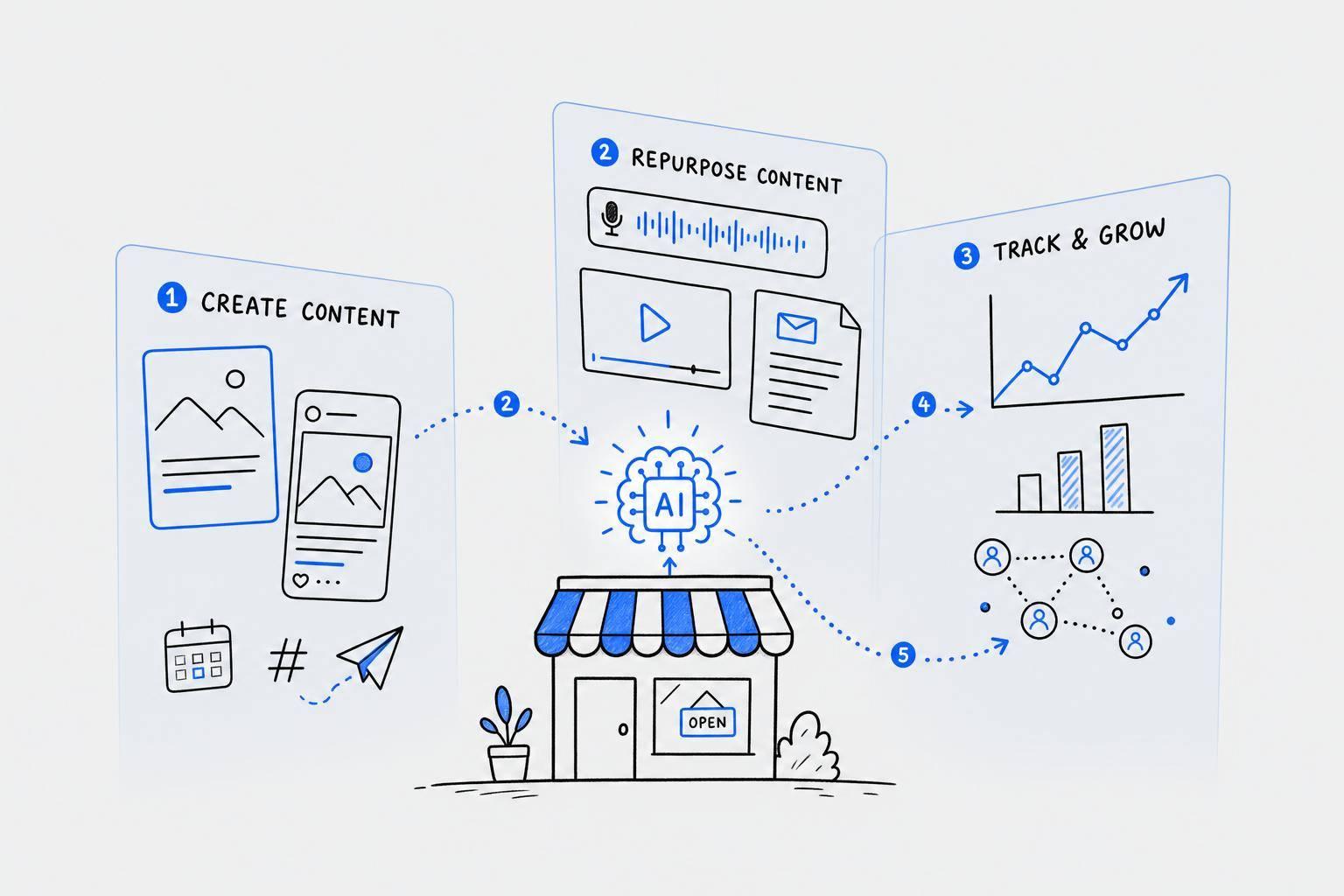
Once AI ranks the strongest ideas, Draft AI helps turn them into content you can actually ship. It takes high-potential ideas and turns them into publish-ready posts, scripts, and carousels in minutes. That means teams can test strong ideas while they’re still fresh, instead of letting them sit in a doc for days.
Turning Raw Inputs Into Posts, Scripts, and Carousels
Draft AI can take voice memos, bullet points, and call notes and turn them into social posts, scripts, and carousels fast. The big win here is simple: good ideas don’t get stuck in the messy draft stage. They move from rough input to something ready to publish without the usual delay.
Generating Stronger Ideas With Hooks Worth Testing
Draft AI also creates higher-upside hook ideas as cards you can review, save, and reuse later. Think of it like building a swipe file, but one that’s made from your own best angles. You can save the strongest hooks, come back to them when the timing is right, and turn them into drafts fast. From there, teams can move from a good hook to a working draft with less back-and-forth.
Keeping Your Voice at Scale
One of the harder parts of scaling content is keeping it sounding like you. Draft AI’s personal writing style feature applies your stored voice to new drafts, so content stays on-brand without a lot of manual editing. If your style shifts over time, you can reset the profile to match it.
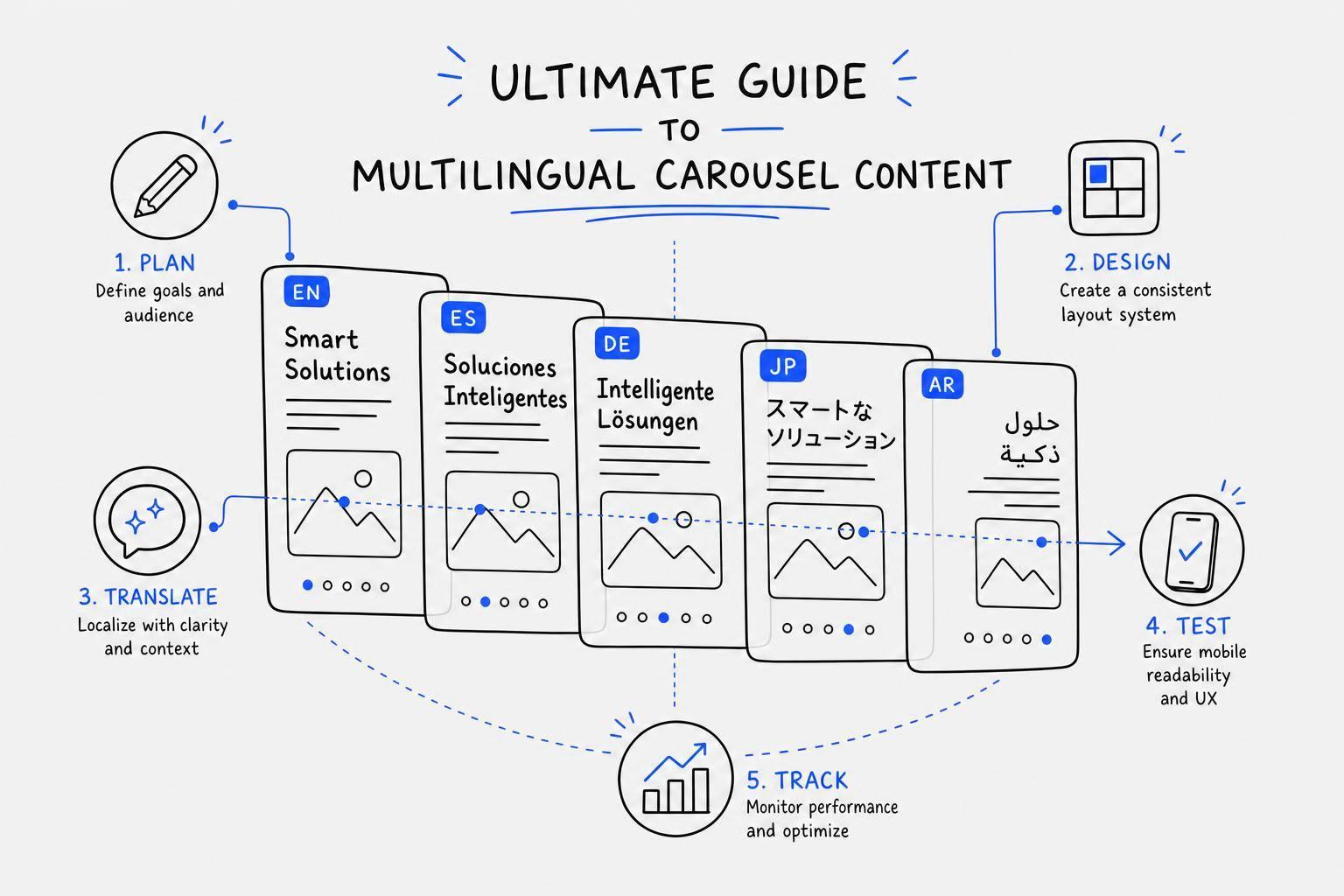
And if you publish in more than one language, Draft AI’s multilingual translation helps carry the same idea across each version while keeping the tone steady for different audiences.
Conclusion: How AI Reduces Content Uncertainty
Content guesswork is expensive. AI cuts that uncertainty by turning audience behavior into a forecast teams can use. So instead of publishing and hoping for the best, teams can make a smarter call before anything goes live.
The upside is less wasted work. AI helps spot which topics, formats, and hooks have the highest upside before writers and designers spend hours on them. That means strong content gets more attention, while weak ideas get dropped early.
Once AI spots the best ideas, Draft AI helps teams turn them into content faster. It takes high-potential ideas and turns them into posts, scripts, and carousels fast, so nothing sits in a doc waiting to be built.
AI doesn't tell you what to say. It tells you what's worth saying first.
FAQs
How much data do I need before AI predictions are reliable?
Reliable AI predictions usually need 90 to 180 days of historical content. The main thing isn’t sheer volume. It’s having steady, high-quality data and proper tagging.
When you label content by theme, format, tone, and objective, the AI gets the context it needs to spot performance patterns. As that history grows, Draft AI can help you create and refine content while improving prediction accuracy over time.
What metrics matter most when AI predicts content performance?
AI cares more about engagement quality than sheer volume. The biggest signals are saves and shares. Those actions often show stronger interest - and more future reach - than likes.
It also looks at engagement velocity, watch time, audience retention, click-through rates, and sentiment. Put together with context like platform, format, and audience segment, those signals help AI predict performance and spot viral potential.
Can AI improve content results without hurting my brand voice?
Yes. AI can improve results without watering down your brand voice - if you use it as a partner for ideas, not a stand-in for human judgment.
The best way to use it is to let AI tighten your strategy and spot patterns in your top-performing content. It can also help with draft copy, which makes it easier to stay consistent with your custom writing style and business details.