How AI Tools Boost Social Media Engagement
AI tools are changing how social media is managed, saving time and improving engagement. Here's how:
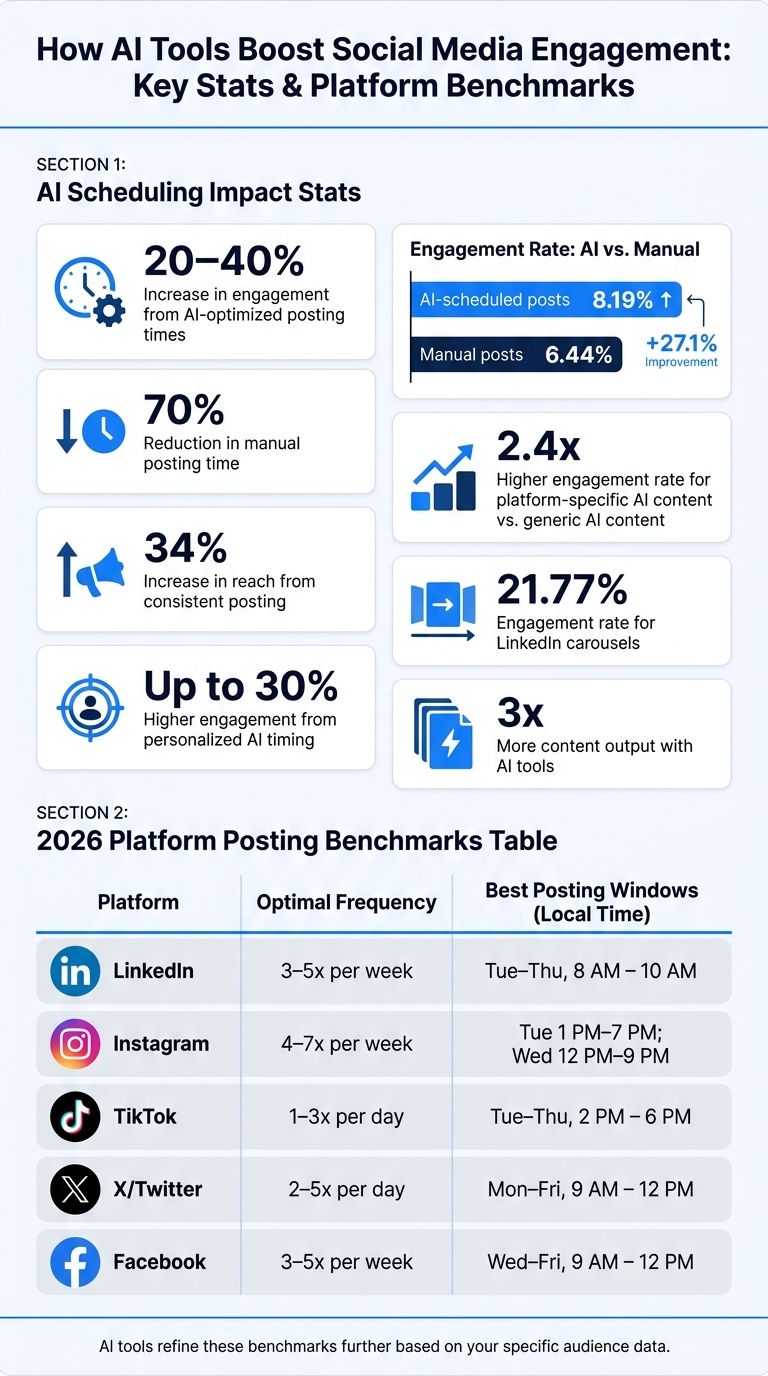
- Smarter Scheduling: AI analyzes audience behavior to post at the best times, increasing engagement by 20–40%. It eliminates guesswork and reduces manual posting time by 70%.
- Consistency Matters: Regular posting improves reach by 34%. AI tools ensure consistent schedules across platforms without burnout.
- Personalized Timing: AI tailors post timing to audience segments, boosting engagement by up to 30%. Different platforms have unique peak times, and AI adapts to them.
- Content Creation: Tools like Draft AI help create posts, scripts, and carousels quickly, allowing marketers to focus on ideas. AI-generated hooks and platform-specific content drive higher engagement.
- Challenges: Research bias and inconsistent engagement metrics complicate measuring AI's effectiveness. Independent studies and standardized metrics are needed for better insights.
AI simplifies social media management by handling the "when" and assisting with the "what", letting marketers focus on impactful strategies.
Social Media Scheduling Using AI (My Secret Method)
sbb-itb-9f5fe42
How AI Scheduling Affects Engagement
How AI Tools Boost Social Media Engagement: Key Stats & Platform Benchmarks
Finding the Best Posting Times with AI
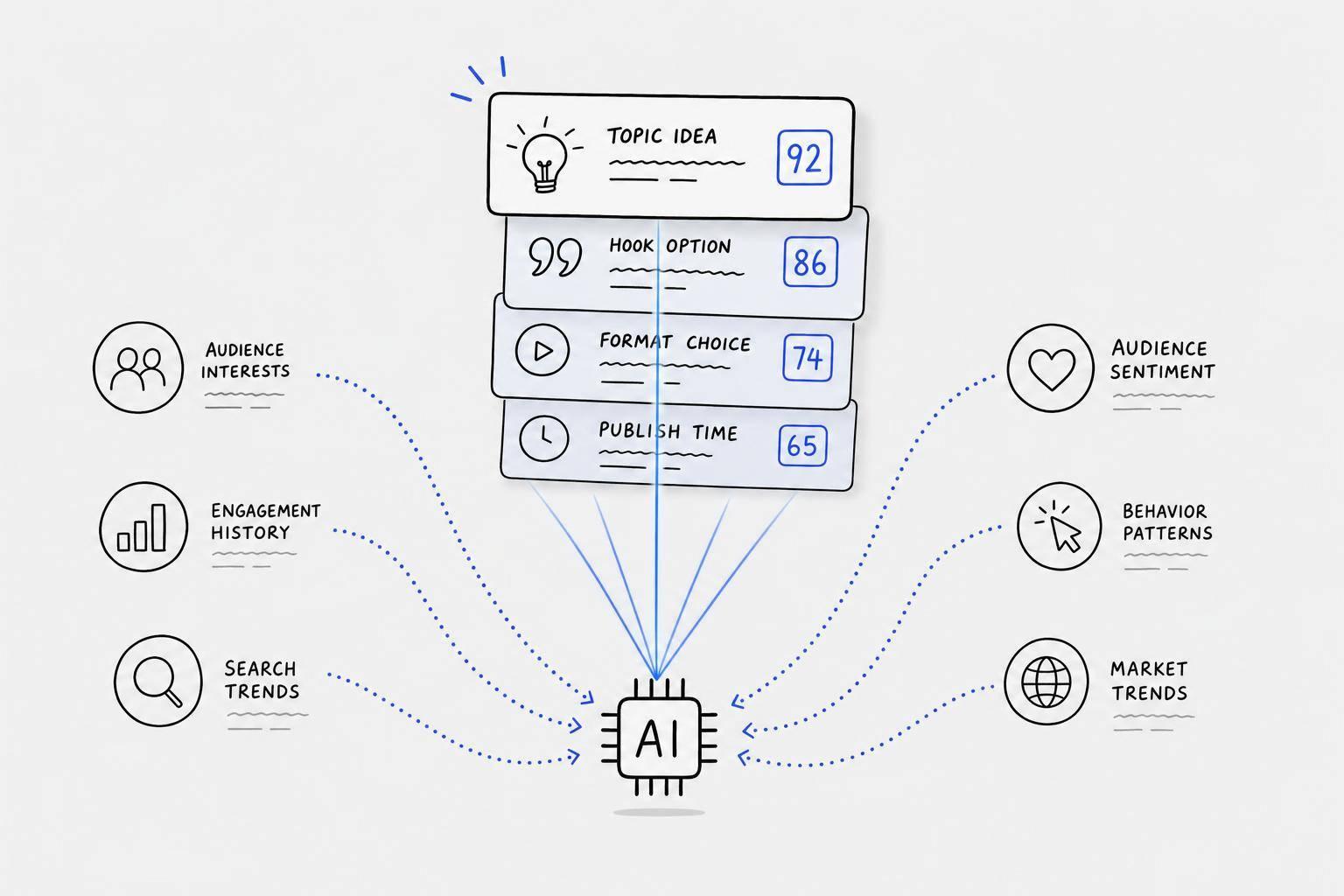
Forget one-size-fits-all advice like "post on Tuesdays at 10 AM." AI scheduling tools take a smarter approach, analyzing your account's specific data to uncover patterns in engagement - things like likes, comments, shares, click-throughs, and impressions. This tailored strategy has been shown to boost engagement metrics by 20–40%.
What makes AI tools stand out is their ability to learn continuously. They adapt in real-time to your audience’s behavior, the type of content you’re sharing, and even external factors like trending topics or seasonal events. Louis Corneloup, Founder at Dupple, sums it up perfectly:
"A 'best time' guide is a starting point, not an answer."
By using this data-driven timing, you’re setting up a solid foundation for consistent posting - and that consistency is key to growth.
How Consistent Posting Drives Growth
While timing matters, staying consistent is just as critical. Accounts that post regularly see a 34% increase in reach compared to those with sporadic schedules. Social media algorithms favor consistent posting, interpreting it as a signal of activity and reliability.
AI tools make this easier by handling the heavy lifting of creating and scheduling social media posts across multiple platforms. This eliminates tedious manual work and helps avoid burnout. In a controlled experiment by Hootsuite, the account @boom_pro_wrestling compared five manually posted updates with five AI-scheduled ones. The results? Scheduled posts achieved an 8.19% engagement rate, compared to 6.44% for manual posts. Clearly, using scheduling tools doesn’t harm performance - in fact, it can improve it.
But consistency isn’t just about frequency. AI tools also help you fine-tune posting times for different segments of your audience, using automated content creation to take engagement to the next level.
Personalizing Post Timing with AI
Instead of relying on generic charts of "peak hours", AI tools dig deeper. They segment your audience by behavior, time zone, and preferences to pinpoint the best moments for engagement. This is particularly important for brands with global audiences or niche communities that might not follow conventional activity patterns. By adapting to real-time engagement peaks, AI-driven scheduling can lead to up to 30% higher engagement compared to fixed-time posting.
Here’s a quick look at 2026 benchmarks for posting frequency and timing in the US. Keep in mind, AI tools will refine these further based on your specific data:
| Platform | Optimal Frequency | Best Windows (Local Time) |
|---|---|---|
| 3–5× per week | Tue–Thu, 8 AM – 10 AM | |
| 4–7× per week | Tue, 1 PM – 7 PM; Wed, 12 PM – 9 PM | |
| TikTok | 1–3× per day | Tue–Thu, 2 PM – 6 PM |
| X (Twitter) | 2–5× per day | Mon–Fri, 9 AM – 12 PM |
| 3–5× per week | Wed–Fri, 9 AM – 12 PM |
Another critical factor is engagement velocity - how quickly your post garners likes and comments in the first one to six hours. Social platforms use this early activity to decide if your content deserves wider exposure. Scheduling posts during your audience’s most active hours ensures that initial burst of engagement, giving your content a better chance to shine.
How AI Content Creation Tools Improve Engagement
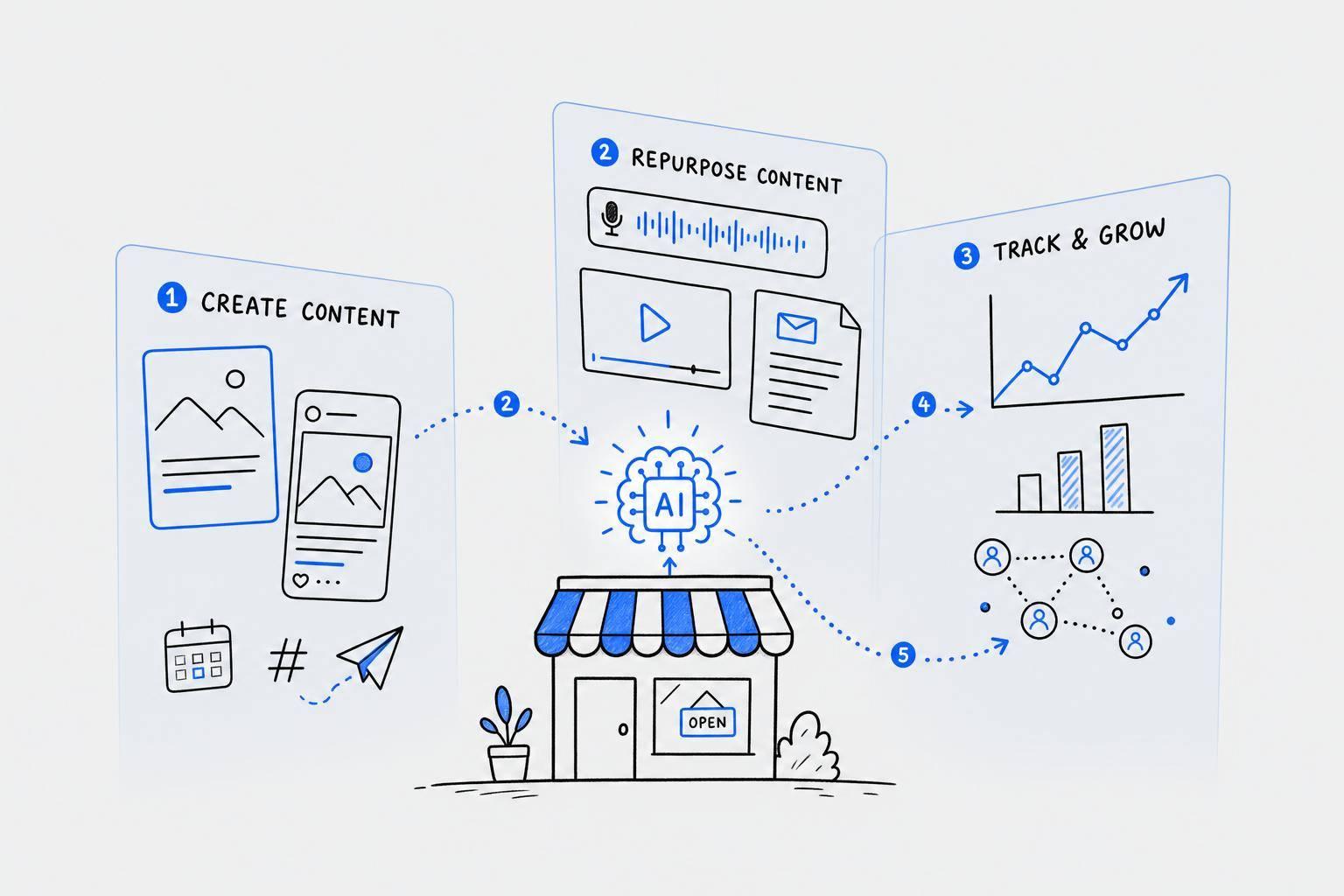
Engaging content is the backbone of any successful online presence. Without it, even the best-timed posts can fail to make an impact. This is where AI content creation tools step in - they help produce posts, scripts, and carousels while freeing up your time to focus on strategy. While AI scheduling tools ensure your content goes live at the perfect moment, AI content tools tackle the creative challenges head-on.
Draft AI: Faster Content Creation
Creating high-quality content is just as important as timing when it comes to driving engagement.
Draft AI operates on a simple but powerful premise: bridging the gap between an idea and a polished post. Whether you start with raw data, a voice memo, or just a vague idea, it can transform those inputs into ready-to-use posts, carousels, or video scripts in a matter of minutes. It supports multiple languages, adapts to your personal tone, and even allows you to tweak fonts, colors, and layouts to ensure your content feels uniquely yours.
Studies show that AI tools help break through creative roadblocks, making it easier to generate ideas and overcome writer’s block. This leads to more frequent posting, which ties directly into the consistency benefits discussed earlier.
One standout feature of Draft AI is its idea generation tool. Simply provide details about your business or blog, and the app produces a swipeable stack of content ideas. You can browse, save, and build a content backlog in no time - no more staring at a blank screen wondering where to start.
This streamlined content creation process works hand-in-hand with AI scheduling to amplify engagement.
Pairing AI Content with AI Scheduling
When you combine AI-generated content with smart scheduling, the results can be impressive. Draft AI tailors content for specific platforms, following platform-specific social media formats, and when paired with well-timed scheduling, it drives higher engagement.
The data speaks for itself. Posts created using platform-specific AI prompt frameworks achieve an average engagement rate 2.4 times higher than generic AI-generated content. This difference exists because each platform rewards distinct behaviors: for example, LinkedIn carousels boast an impressive 21.77% engagement rate, while TikTok prioritizes content that performs well in the first 1–2 hours after posting. Hitting these critical windows with well-targeted, structured content is what makes the difference.
"Timing isn't just about convenience - it's about algorithmic performance." - AutoFaceless Blog
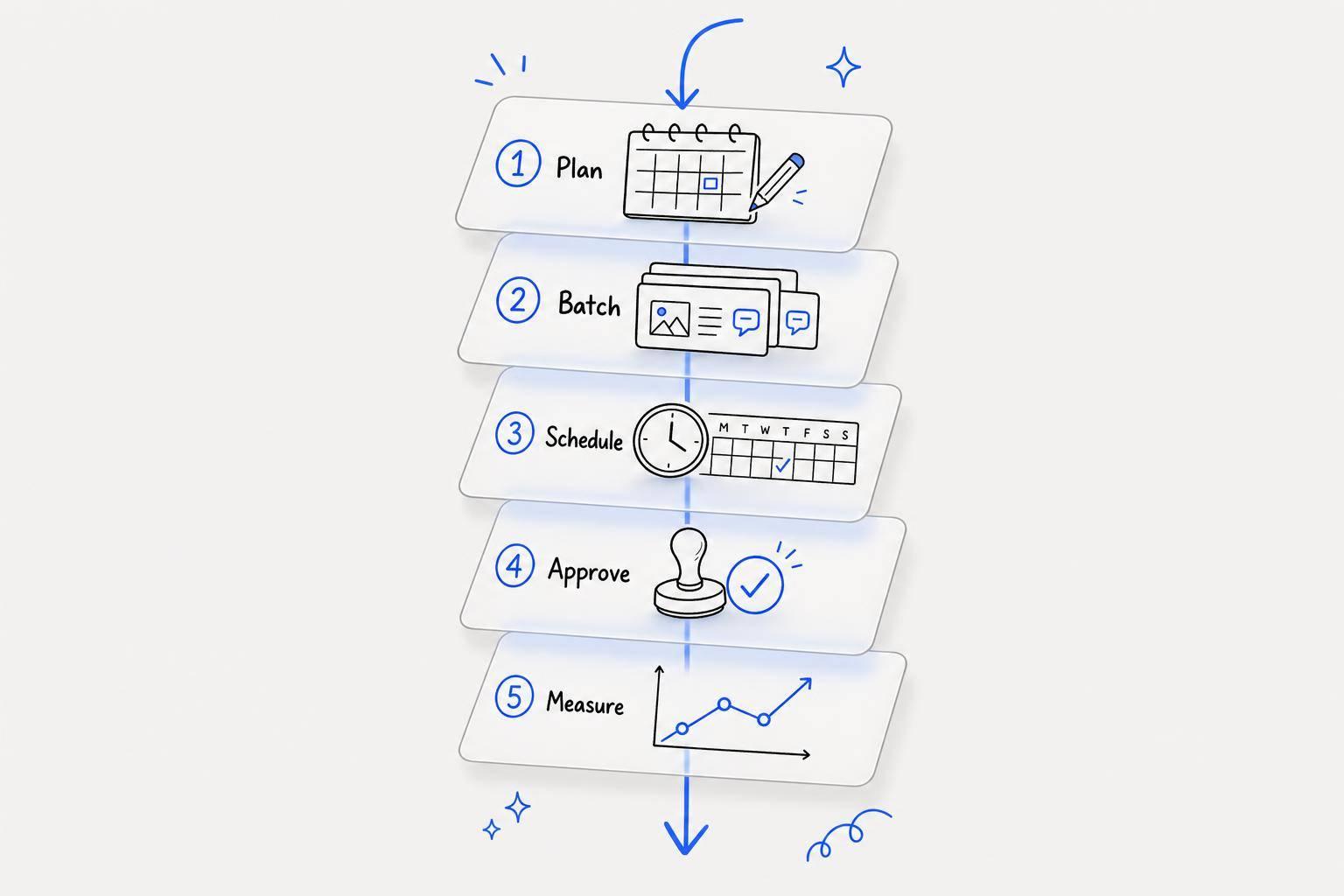
AI content tools like Draft AI handle the what - the creative side - while scheduling tools manage the when. Together, they form a workflow that’s tough to replicate manually.
Writing Viral Hooks with Draft AI
The opening moments of any post are critical. On TikTok, for instance, a pattern interrupt must grab attention within the first 1.5 to 3 seconds to keep viewers from scrolling past. Draft AI specializes in crafting those attention-grabbing opening lines.
By analyzing historical engagement trends and real-time competition within feeds, AI tools can identify the content structures most likely to succeed. Pairing these AI-generated hooks with precise scheduling creates posts that not only stop the scroll but also maximize visibility. This combination generates the kind of early engagement that social algorithms reward with broader reach.
When used together, these AI tools streamline the entire process, boosting engagement at every stage of your social media strategy.
Limits and Challenges in AI Scheduling Research
AI scheduling tools might seem impressive at first glance, but digging into the research behind them reveals some noteworthy limitations.
Biases and Gaps in Current Research
A significant issue lies in who conducts the studies. Many large-scale studies on AI scheduling come from companies like Buffer, Hootsuite, and Sprout Social - businesses that sell these tools. Unsurprisingly, their research often relies on data from their own customer bases rather than a random sample of social media users. As Tim Eisenhauer, Founder of Apaya, explains:
"Every study has an incentive problem... Their data comes from people already using their tools. That's not a random sample; it's their customer base."
This creates a selection bias, favoring brands that already operate in structured, business-hour environments. Additionally, some users may mistakenly attribute improved engagement to their scheduling tool when other factors - like an algorithm change or an especially engaging piece of content - might be the real reason.
Another problem is the lack of attention to differences across content formats and industries. Engagement rates can vary dramatically - by as much as 15 times - depending on the sector. These gaps make it harder to draw reliable conclusions about the effectiveness of scheduling tools.
Challenges in Measuring Engagement
Engagement metrics add another layer of complexity. Social platforms don’t measure engagement the same way, making it tricky to compare studies. A commonly used formula - (likes + comments + shares + saves) ÷ followers × 100 - can vary significantly because platforms assign different weights to actions. For example, a share might be worth eight times more than a like, while a comment may count five times as much. This lack of uniformity complicates any attempt at standardizing results.
Where Research Should Go Next
To get clearer answers, the next steps should involve independent experiments tailored to specific audiences. By isolating the effects of scheduling from other variables, researchers can produce more trustworthy insights. Additionally, the field could benefit from:
- Standardized metrics: Metrics like interactions per 1,000 impressions or cost-adjusted benchmarks would make cross-study comparisons more meaningful. Research should also move beyond a simple "human vs. AI" perspective and explore how humans and AI can work together.
- Frequent data updates: Social media algorithms and user behaviors change constantly, so posting-time data should be revisited every three months to stay relevant.
These steps could help address some of the current gaps and biases, paving the way for more reliable and actionable insights.
Conclusion: What AI Means for Social Media Engagement
AI is reshaping how we approach social media engagement, offering tools that not only enhance productivity but also significantly increase content output - some studies suggest up to three times more. These advancements free up marketers to focus on the creative strategies that truly set brands apart.
But the real transformation goes beyond just operational efficiency. As the Emplifi team aptly states:
"AI is not a replacement for creativity, but a multiplier of it."
This means the human role isn't disappearing - it’s evolving. Marketers are now tasked with steering the creative direction, ensuring each piece of content reflects the brand's unique voice and resonates with authenticity. This is particularly important, as 52% of consumers feel that AI-generated responses can sometimes lack that genuine touch. Human oversight ensures that the content feels real and connects emotionally with the audience.
For creators and marketers in the U.S., tools like Draft AI make it easier than ever to transform raw ideas into polished content in just minutes. This efficiency leaves more time for the kind of strategic thinking that drives meaningful growth.
Ultimately, the winning formula combines consistency, data-driven insights, and a strong partnership between human creativity and AI capabilities. AI might handle the heavy lifting, but it’s your vision that will leave a lasting impression.
FAQs
How do AI tools determine the best times to post?
AI tools use your historical data to craft personalized posting schedules. They analyze metrics such as when your audience is most active, past engagement patterns (likes, clicks, shares), and platform-specific insights. On top of that, advanced models take into account factors like content type, time zones, and even seasonal trends. Over time, these tools fine-tune their recommendations through ongoing testing, aiming to boost engagement with every post.
How can I tell if AI scheduling really increased engagement?
To determine if AI scheduling has boosted engagement, compare your current metrics with your past results rather than industry benchmarks. Consider pausing AI scheduling for two weeks and switching to manual posting to observe any differences. Pay close attention to signals like watch time, shares, and likes per reach to gauge performance shifts. Tools such as Draft AI can assist in maintaining high-quality content while monitoring these key metrics. Don’t forget to factor in variables like seasonality and algorithm updates, as they can influence your results.
How do I keep AI-written posts sounding like my brand?
To make AI-generated posts align with your brand, start by giving the tool clear, detailed guidelines. Include specifics like your brand's personality, the target audience, and examples of posts that have performed well in the past. Tools like Draft AI can even study your previous posts or voice recordings to better replicate your tone and style.
For optimal results, consider a human-in-the-loop process. Let the AI create a draft, then step in to refine it. Add personal touches and unique details to ensure the content feels authentic and on-brand.