How AI Generates Viral Twitter Thread Ideas

AI has made creating Twitter threads faster and easier. What once took hours can now be done in minutes. Here's how:
- AI Saves Time: Tools reduce thread creation from 3–4 hours to under 20 minutes.
- Boosts Engagement: Threads with 7+ tweets get 3.2x more impressions and 4.1x more profile visits.
- Crafts Hooks: AI uses proven formulas like "Credibility + Specific Promise + Curiosity Gap" to grab attention.
- Optimizes Structure: AI organizes threads using frameworks that keep readers engaged.
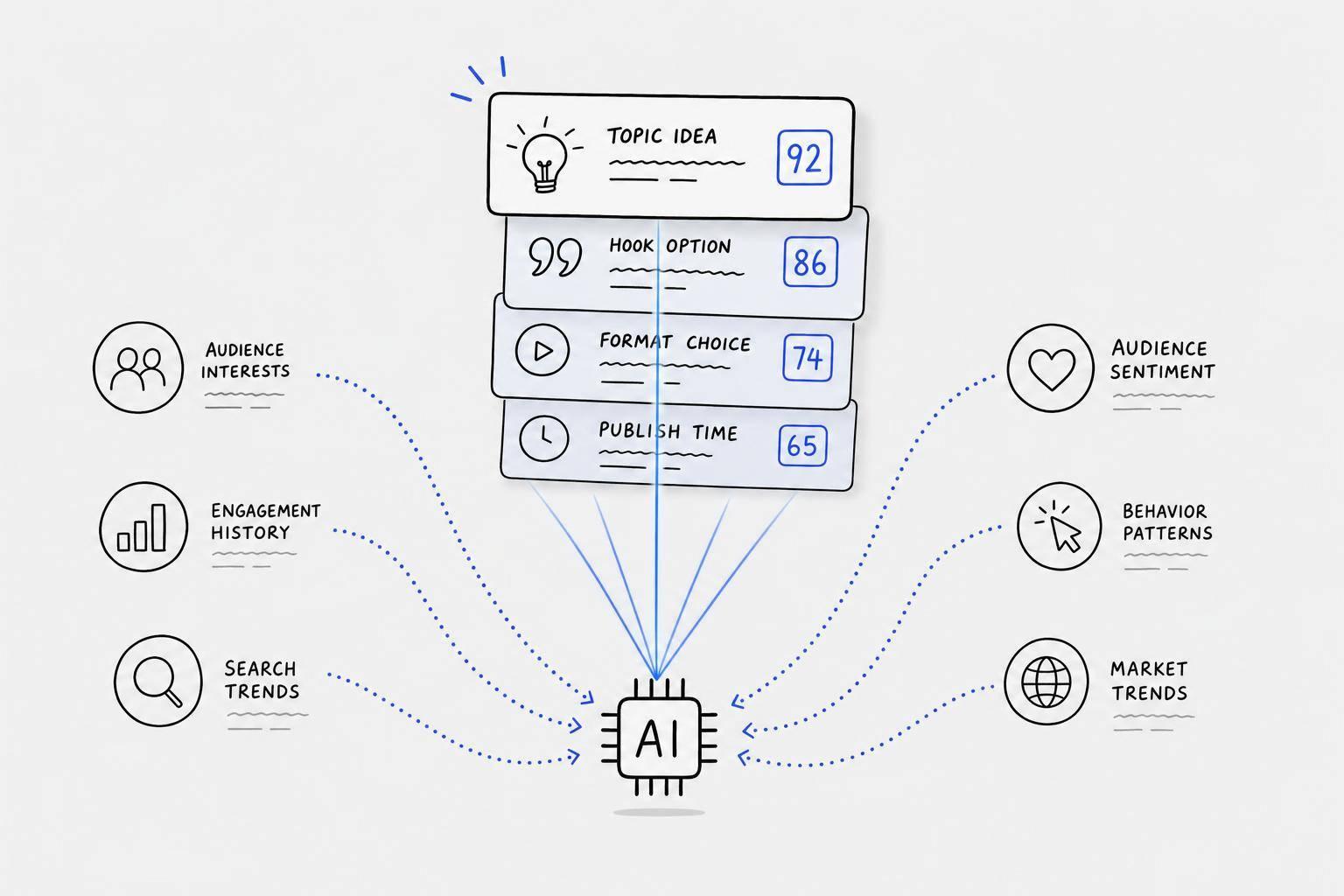
- Understands Audiences: By analyzing data, AI identifies topics your audience cares about.
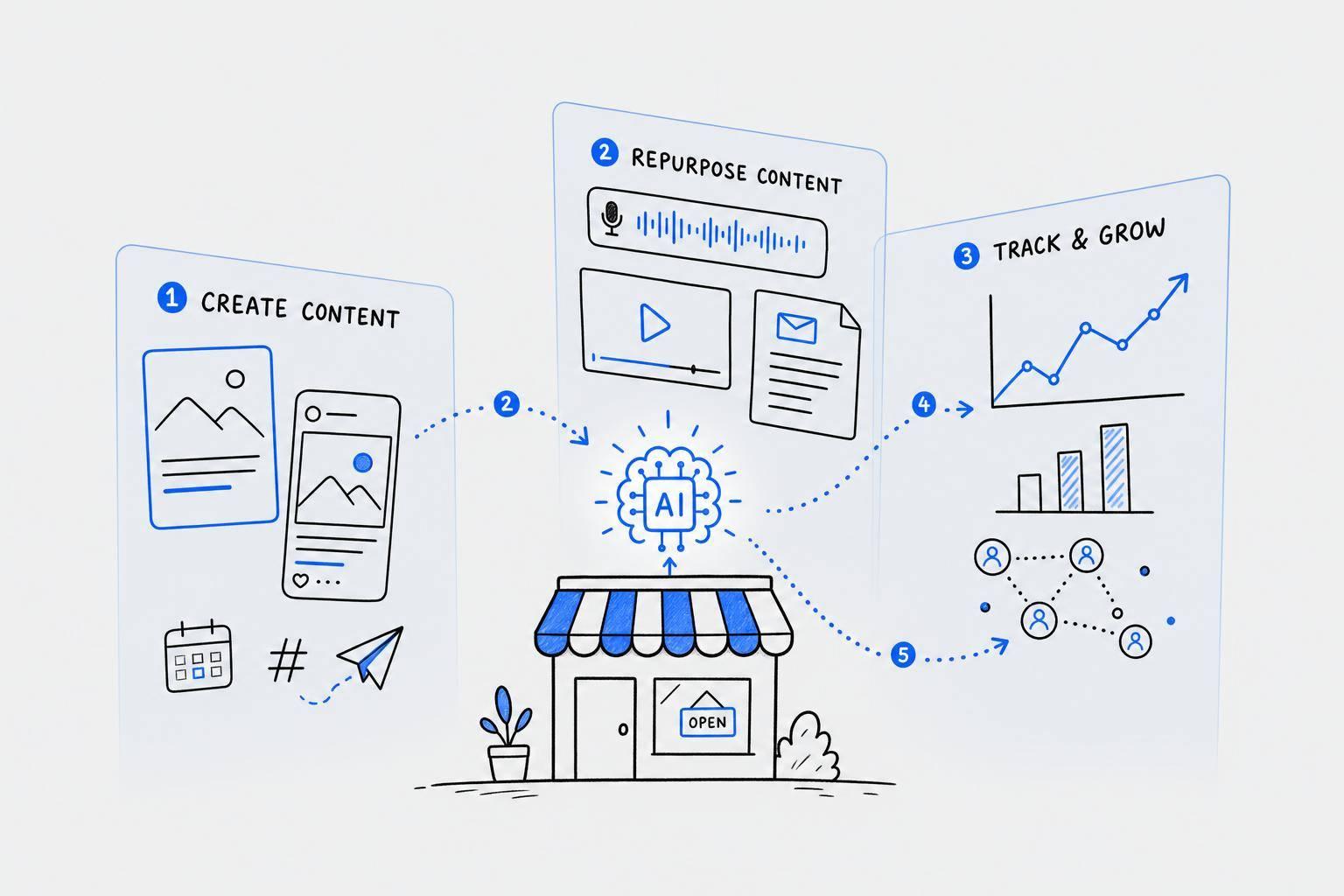
- Multi-Platform Use: Threads can be repurposed for LinkedIn, Instagram, and more with AI tools.
AI helps with brainstorming, structuring, and optimizing content while you add personal touches like stories and examples. The result? Faster, more engaging threads tailored to your audience.
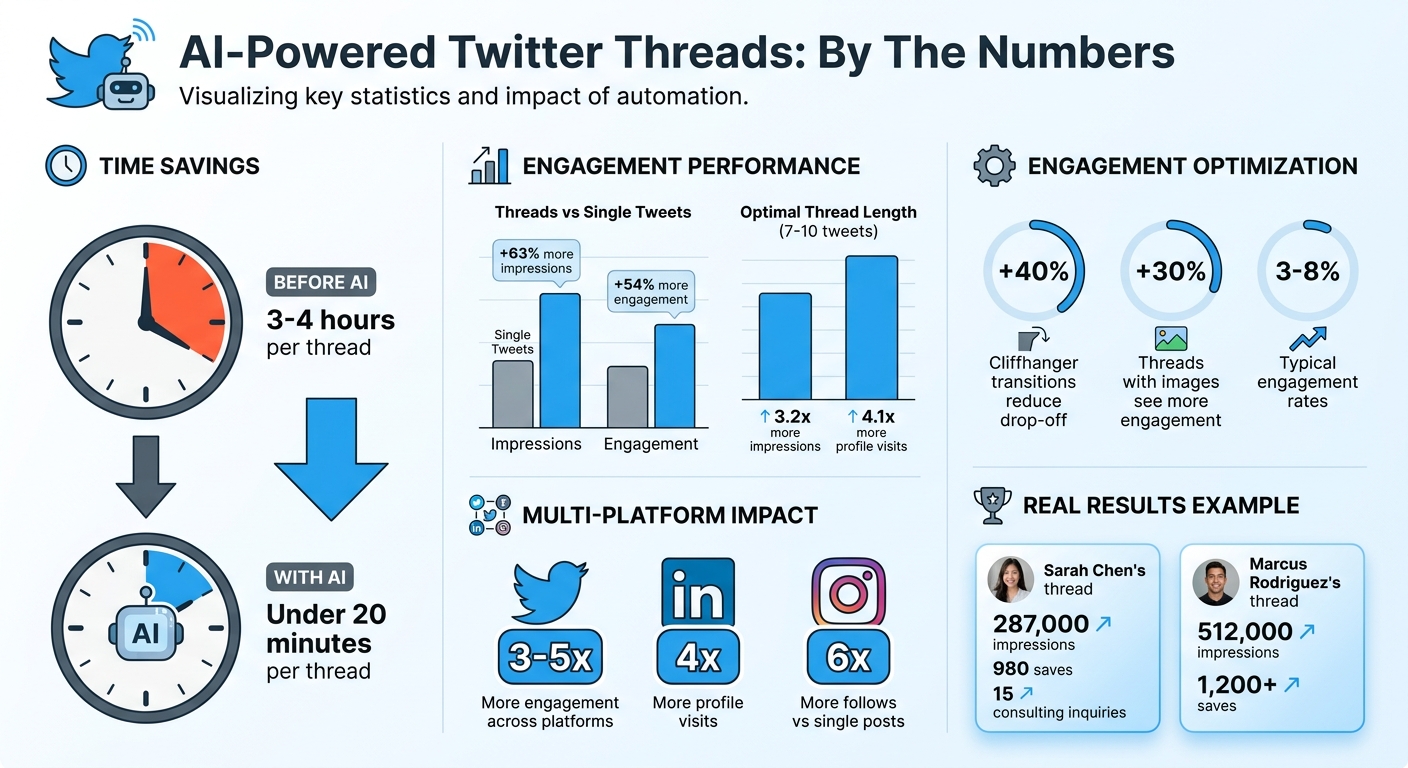
AI Twitter Thread Performance Statistics and Time Savings
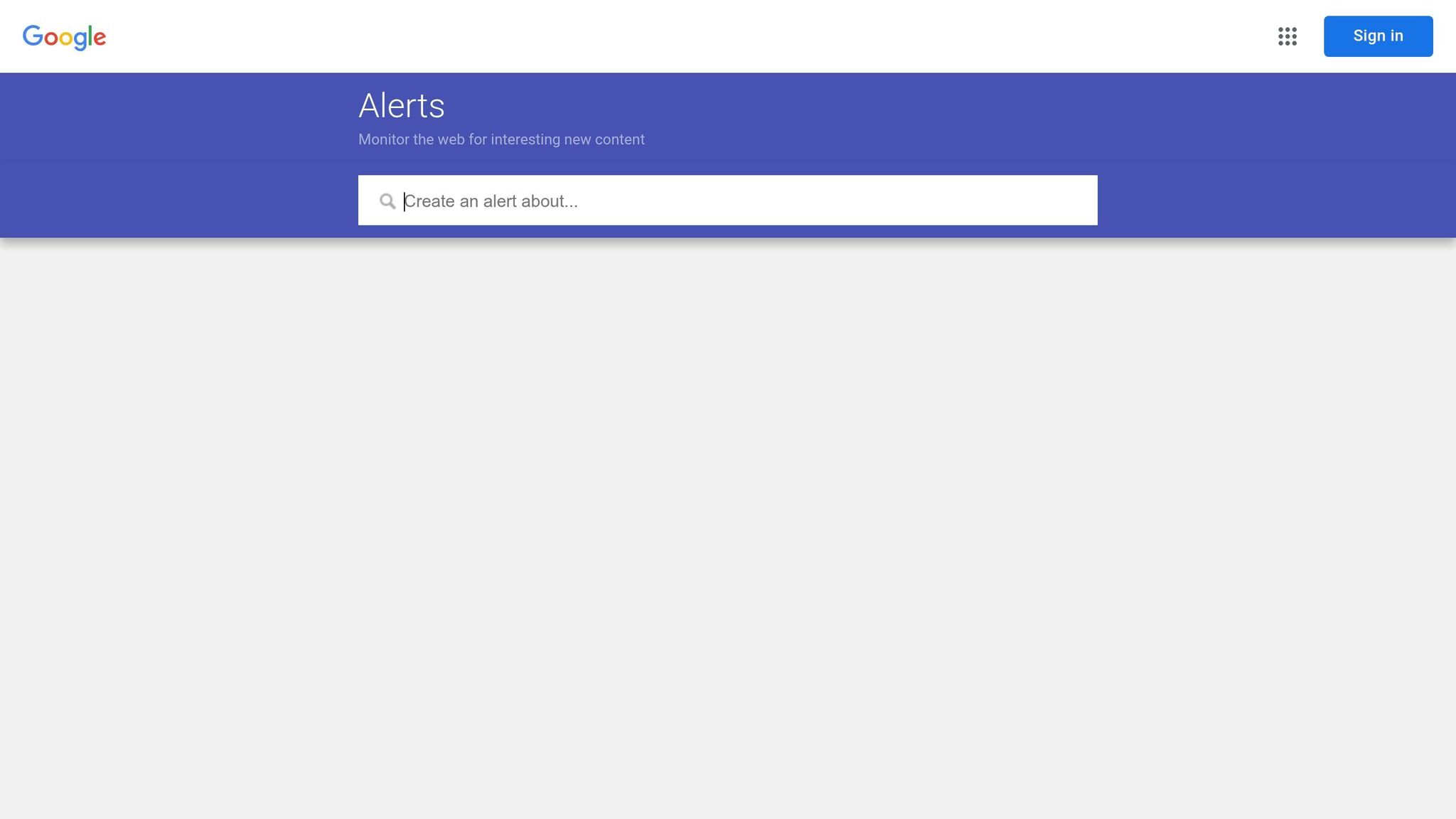
How To Write Viral Twitter Thread With AI using Google Alerts
sbb-itb-9f5fe42
How AI Creates Twitter Thread Ideas
AI crafts thread ideas that connect with your audience by studying successful examples and utilizing templates from viral content. Essentially, it reverse-engineers what makes content go viral, using frameworks trained on posts that have garnered millions of views. By analyzing these patterns and tailoring them to your niche, AI ensures the thread ideas are both relevant and effective. Let’s dive into how AI figures out what your audience wants.
Using AI to Understand Your Audience and Niche
Understanding your audience is key to creating content that hits the mark. AI digs into what matters most to your audience by analyzing data from platforms like Reddit, identifying trending topics, and even looking at metrics like post "saves", which often indicate deeper engagement than likes. When you provide information about your business or blog, AI processes it to uncover your audience's pain points and interests, aligning them with your expertise.
AI uses a method called "X-native system prompting" to generate content tailored to Twitter's 2026 algorithm. This algorithm emphasizes "depth of engagement" and "dwell time", meaning content needs to hold attention effectively. AI also evaluates successful thread patterns, offering tweaks like adding "cliffhanger" transitions between tweets. These transitions can reduce reader drop-off by as much as 40%. In short, AI doesn't just create threads - it automates content creation and optimizes them for how people consume content on Twitter in 2026.
Once AI understands your audience, it moves on to crafting hooks that grab attention.
How AI Writes Viral Hooks
Hooks are the lifeblood of a thread - the opening tweet determines whether someone keeps scrolling or stops. AI uses a simple but powerful formula to create hooks: Credibility signal + Specific promise + Curiosity gap. For example, in early 2026, Sarah Chen used an AI-generated hook:
"6 months ago I quit my $180K tech job with no backup plan. Today I make $240K working 25 hours/week. Here's the exact roadmap (it's not what you think):"
This thread pulled in 287,000 impressions, 980 saves, and 15 consulting inquiries.
AI doesn't stop at just one hook. It generates 5–10 variations to test different psychological drivers, such as FOMO, transformation, or even controversy. Take Marcus Rodriguez’s 2026 example:
"I've run $2M+ in ad spend. Here are 3 marketing 'rules' that actually kill conversions (especially #2):"
This approach resulted in 512,000 impressions and over 1,200 saves. The AI focuses heavily on the "First 8 Words" rule, knowing they are critical in determining whether a user pauses their scroll.
Building Structured Threads with AI
After nailing the hook, AI ensures the rest of the thread is just as engaging by following proven structures. Using frameworks like Hook-Value-Loop, AI lays out the thread so every tweet has a purpose: the hook grabs attention, the body provides actionable insights, and the conclusion ties everything together with a call-to-action.
AI keeps threads easy to read by sticking to a "one idea per tweet" guideline and varying tweet lengths to maintain a dynamic flow. For instance, ProductivityJen used an AI-generated framework to share her time-blocking method in 2026. Despite having just 8,000 followers, her structured thread earned 156,000 impressions and 230 downloads of her template. To guide readers effortlessly, AI numbers tweets (e.g., 1/10, 2/10), making the thread easy to follow.
Making AI-Generated Threads Go Viral
Editing is the secret sauce that turns AI-generated threads into viral hits. While AI can produce clean and structured content, it often falls short on personality and emotional connection. A little human touch - adding specificity, character, and relatability - can make all the difference.
Improving Hooks for Better Results
AI can provide a decent starting point, but refining your hook is key to grabbing attention. Use the Credibility Signal + Specific Promise + Curiosity Gap formula to craft hooks that stand out. For example, swap vague phrases like "some tips" with precise numbers, such as "7 systems". Drop weak qualifiers like "might" or "maybe" to project confidence.
Want to know what works best? Generate 5–10 hook options with AI, then pick the top two and monitor their performance in the first 30 minutes. Every word at the start matters. Compare these two hooks: "Here are some marketing tips" versus "I've run $2M+ in ad spend. Here are 3 marketing 'rules' that actually kill conversions (especially #2):" - the latter earned 512,000 impressions and 1,200 saves.
Ensuring Clear Flow and Readability
Even a killer hook won't save a thread if readers lose interest halfway through. Keep them engaged by ensuring logical flow and readability. Use cliffhangers like "But here's the catch:" or "The surprising part?" to encourage readers to move to the next tweet - this can reduce drop-off rates by up to 40%.
Make your tweets scannable by breaking up text every 1–2 sentences and numbering them (1/, 2/, 3/). Keep individual tweets under 250 characters. Also, highlight your best content early - tweets 2–4 are prime real estate for boosting completion rates. Think of it like a headline-driven news article: lead with the most compelling details.
Adding Personal Stories and Real Examples
AI can provide structure, but your story is what makes the thread memorable. Replace generic phrases with specific details, timelines, and outcomes. For instance, instead of saying, "I grew my audience", try: "I went from 400 to 11,000 followers in 6 months." Swap formal language like "It is important to understand" with conversational phrases like "Here's what most people miss".
Visuals can take your thread to the next level. Add screenshots, charts, or photos - threads with at least one image can see up to 30% more engagement. A great example: In 2026, @ProductivityJen shared her time-blocking system, including a screenshot of her actual calendar. Despite having just 8,000 followers, her thread earned 156,000 impressions and 230 template downloads. Proof beats polish every time.
Scaling Content Creation with AI Tools
Creating viral Twitter threads regularly demands both speed and volume. AI platforms can cut down the time it takes to craft a thread from 30–60 minutes to less than 5 minutes. These tools provide structured outlines and draft tweets, leaving you with more time to fine-tune the content. Let’s dive into how tools like Draft AI make idea generation faster and help you maintain a steady workflow.
Using Draft AI for Fast Idea Generation
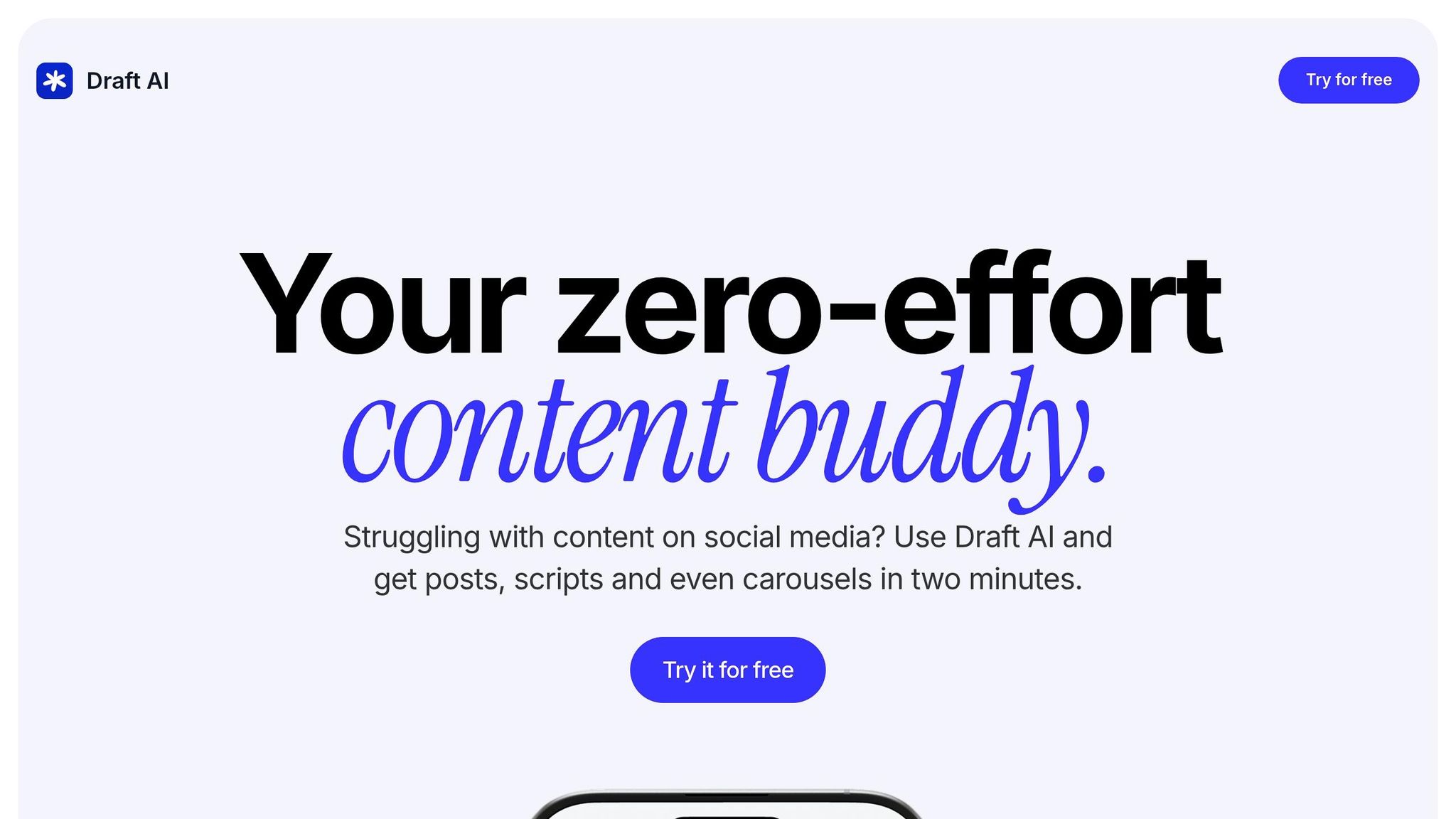
Draft AI simplifies the brainstorming process with a swipe-based interface that feels a lot like flipping through a deck of cards. You start by sharing details about your business or blog, and the platform generates a stack of thread ideas with hooks designed to grab attention. Swipe through the suggestions, save the ones that resonate, and revisit them later to build out complete threads. You can even choose from tone profiles like Professional, Casual, Witty, Motivational, or Educational to align with your brand’s style. This quick and intuitive process lays the groundwork for creating content that has the potential to go viral.
Creating a Consistent Workflow for Twitter Threads
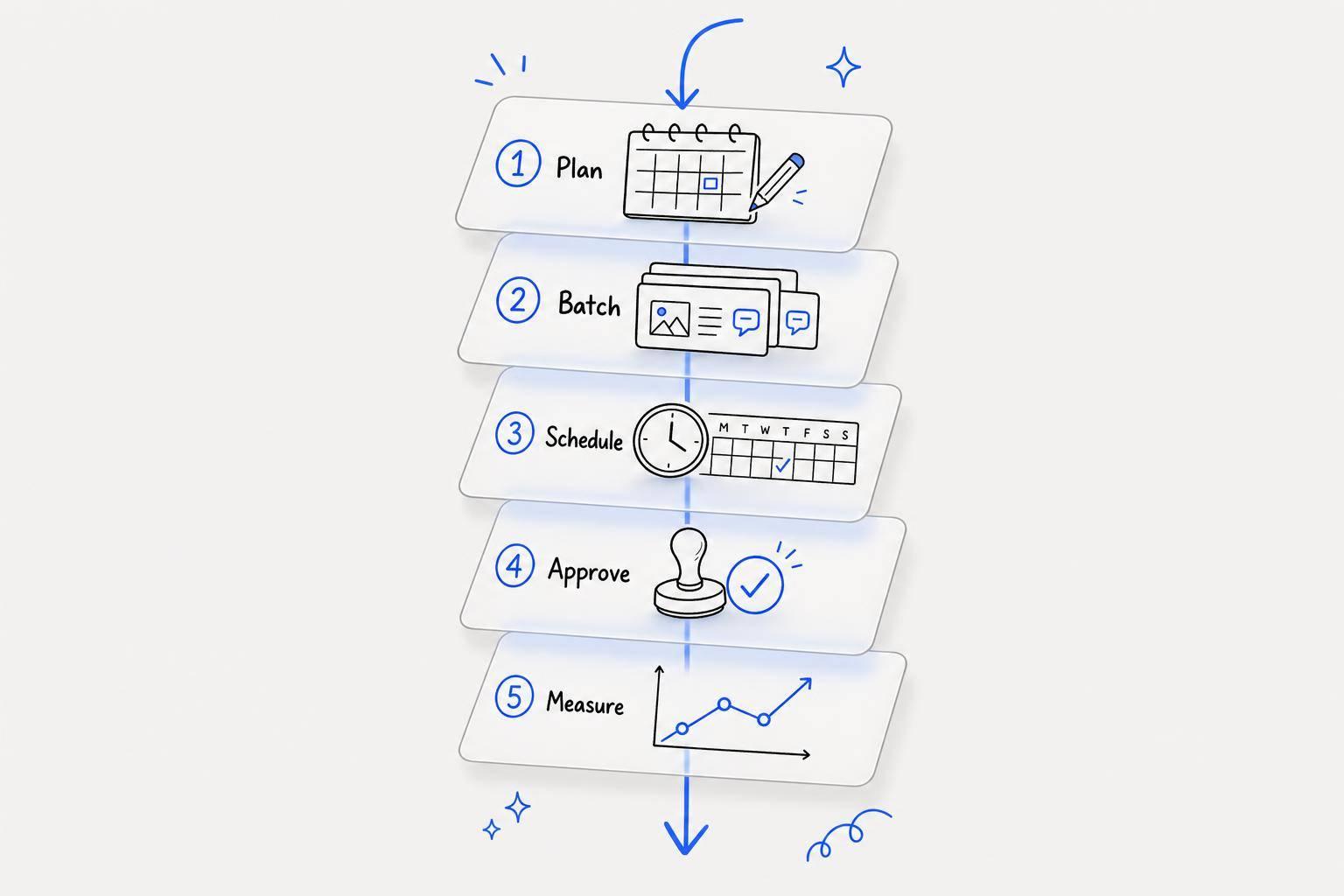
Combining AI tools with human creativity can trim thread creation time from an hour to about 15 minutes. Start by batch-generating 10–20 thread ideas - or even up to 50 hooks in one session - and then select the strongest ones to fully develop. Spend about half of your writing time refining the hook, as it’s the key to grabbing and holding reader attention. Once the hook is polished, use AI to draft the body of the thread. Then, personalize it by adding your own stories and specific details to make it stand out. This batching technique helps you stay ahead with a full content calendar.
Tracking Performance and Improving Over Time
After streamlining your process, the next step is to measure and improve your results. Focus on key engagement metrics like engagement rates (typically 3%–8%), responses, likes, and total impressions to see what resonates most. Pay close attention to bookmarks and replies, as the 2026 X algorithm prioritizes these deeper engagement signals over simple likes. To gauge completion rates, compare engagement on the first tweet of your thread to the final one, and identify where readers tend to drop off. If you’re sharing external links, use UTM parameters to track website traffic and conversions. Analyzing which topics drive the most profile visits can also help refine your strategy.
"Thread marketing success lies in treating it as a discipline, not a tactic. Develop your voice, test frameworks systematically, analyze performance data, and refine based on what resonates with your specific audience,"
says Terrence Ngu from Hashmeta.
Repurposing Twitter Threads Across Platforms
If you've got a knack for creating viral Twitter threads, you're already sitting on a goldmine of content. The trick is to stretch that content further by repurposing it across different platforms. This doesn’t mean doubling your workload, though. AI tools can take care of the hard part - adjusting the tone, length, and structure to fit the vibe of each platform's audience. For instance, X thrives on short, punchy updates, LinkedIn rewards professional storytelling, and Facebook leans into community-driven visuals. By tweaking your thread for each platform, you’re essentially building a mini content ecosystem that amplifies your reach without starting from scratch.
Adapting Threads for LinkedIn, Instagram, and Other Platforms
Each platform has its quirks, so your content needs to match its audience. For LinkedIn, expand on your thread by offering in-depth explanations and a polished tone. On Threads, weave in more personal anecdotes. For Facebook, lean into community-focused elements and discussion topics. Got a thread with more than 10 points? Break it into a LinkedIn document or AI-designed carousel.
Visual content is another game-changer. AI tools can turn your threads into eye-catching graphics, quote cards, or even data visualizations - formats that can boost engagement by 35–50% compared to plain text. And it’s not just about looking good; it’s about results. Threads consistently deliver 3–5x more engagement than standalone posts across platforms like X, Threads, Facebook, and LinkedIn. They also drive 4x more profile visits and 6x more follows compared to single posts.
Take Sarah Chen, a tech professional who, in early 2026, used an AI tool to rework her career journey into a thread. She added an income progression chart and specific metrics, showing her leap from a $180K job to $240K in fractional consulting. The result? Her thread pulled in 287,000 impressions, 4,200 engagements, and 15 direct consulting inquiries. This kind of multi-platform strategy takes your initial success and magnifies it across the board.
Once your thread is tailored for each platform, AI tools can help you streamline distribution, saving time and effort.
Managing Multi-Platform Content with AI
Platforms like Draft AI make juggling multi-platform content a breeze. Start with a single Twitter thread idea, and let the tool adapt it into carousels, posts, or even scripts for other networks. It comes equipped with templates, options for font and color customization, photo uploads, and multilingual translation. These features ensure your brand’s voice stays consistent while aligning with each platform’s style. By automating the bulk of the work, you can drastically cut down your content creation time.
But don’t fall into the trap of posting identical content everywhere - it can come across as lazy and out of touch with each platform’s unique audience. Instead, let AI handle the structure, and then add your personal touch - unique insights, specific metrics, or a human angle - to keep things authentic.
Marketing consultant Marcus Rodriguez demonstrated this in late 2025. He paired AI-generated content, like “rules to break,” with client data and a dose of humor via memes. The result? His posts racked up 512,000 impressions, over 1,200 saves, and 34 direct messages from potential clients. Combining AI efficiency with your own expertise is the sweet spot for maximizing engagement and opportunities.
Conclusion
AI has taken the process of crafting Twitter threads from a time-intensive 3–4 hours to just under 20 minutes. But the real game-changer isn't just the speed - it’s how AI taps into proven frameworks from viral content. By analyzing what works - like hook psychology, engagement tactics, and structural flow - it ensures your threads are built on patterns that keep readers hooked and scrolling. These advancements, rooted in data, give a strategic edge to AI-generated content.
Consider this: threads outperform standalone tweets by generating 63% more impressions and 54% more engagement. And when you hit the optimal length of 7–10 tweets, the results are even better - 3.2x more impressions and 4.1x more profile visits compared to single tweets. This isn’t just coincidence; it’s how platforms in 2026 prioritize "dwell time" and deeper engagement, making threads a powerful tool.
AI shines brightest as a creative collaborator, not a replacement. It can handle the groundwork - structuring, researching, and generating multiple hook options - while you focus on adding the magic: real examples, authentic metrics, and your personal voice. As the Harvard Business Review puts it:
"AI supercharges productivity not by replacing creativity, but by amplifying it".
This partnership approach not only accelerates content creation but also ensures your brand's unique identity stays intact.
Tools like Draft AI simplify the entire workflow. You can input raw ideas or even voice notes, browse through tailored suggestions, and repurpose content across platforms with ease. The result? You’re not just producing more content - you’re producing smarter, more consistent content without the risk of burnout.
FAQs
What should I prompt AI with to get thread ideas for my niche?
To come up with Twitter thread ideas tailored to your niche, give AI clear and detailed inputs. Start with specifics like your niche, target audience, key topic, and what you aim to achieve - whether that's more engagement, shares, or something else. Also, specify the type of content you're after (like educational or entertaining) and the tone you want (casual, professional, etc.). Using tools like Draft AI, you can generate a collection of custom ideas based on your business or blog details. From there, you can tweak and refine them to fit your style and goals.
How do I A/B test hooks on X without tanking engagement?
To test different hooks on X (formerly Twitter) without risking your overall engagement, try posting variations in separate threads or tweets. Keep an eye on their performance metrics, like impressions and engagement rates, to see which ones resonate most. Tools like Draft AI can help you quickly come up with multiple hook ideas, saving time and effort. Make sure to stagger your tests to avoid overposting, and compare results over similar time periods to ensure fair assessments. This approach helps you find the most effective hooks while maintaining steady engagement.
Which metrics matter most for thread performance in 2026?
When it comes to tracking the success of threads in 2026, there are a few standout metrics to keep an eye on. These include:
- Impressions: How many people are seeing your thread.
- Engagement Depth: This goes beyond surface-level likes. It includes replies, bookmarks, and shares - actions that show people are truly interacting with your content.
- Authority Signals: Metrics like profile visits and follower growth indicate how your content is building your credibility and influence.
Interestingly, algorithms are shifting their focus. Rather than rewarding simple likes, they’re expected to prioritize engagement quality - favoring meaningful interactions over superficial ones. This means creating content that sparks conversations and genuine interest will be more important than ever.