AI Automation for Social Media Campaign Tracking
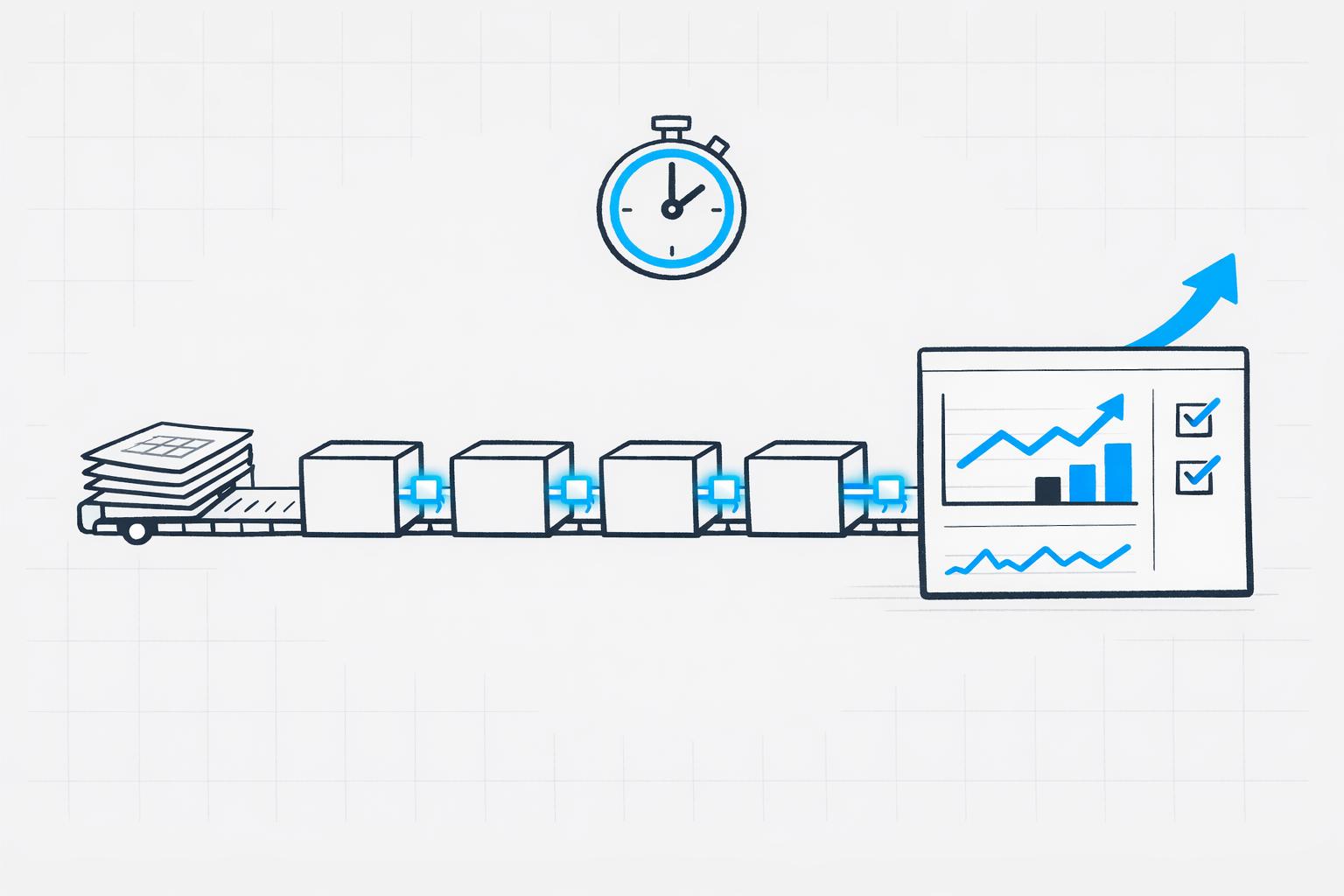
Running social media campaigns without effective tracking is like navigating blind - you risk wasting time and money. Manual tracking methods, like spreadsheets, are slow, error-prone, and outdated. On the other hand, AI-powered tools provide real-time data, reduce errors, and save hours of work each week. Here’s why automation is a game-changer for businesses:
- Manual Tracking Issues: Inconsistent data, 3–5% error rates, and outdated insights make it hard to act quickly.
- AI Advantages: Real-time dashboards, near-zero errors, and automated alerts help optimize campaigns faster.
- Time Savings: Teams save 5–6 hours weekly, freeing up resources for higher-value tasks.
- ROI Impact: 67% of businesses using automation see positive returns within 90 days.
Manual tracking is tedious and limits growth, while AI tools streamline the process and provide actionable insights. For small businesses, automation is no longer optional - it’s essential to stay competitive.
How to Create Social Media Reports in Minutes with AI
sbb-itb-9f5fe42
1. Manual Social Media Campaign Tracking
Manual tracking is a straightforward but time-consuming process. It involves logging into each platform - like Facebook Ads, Instagram, LinkedIn, TikTok, and X - exporting the data, and compiling it into a spreadsheet. Each platform gets its own tab, with columns for metrics like impressions, reach, clicks, and conversions. While this method gets the job done, it’s slow and prone to errors.
Data Collection
Marketers manually pull data from platforms and consolidate it into a central spreadsheet. UTM parameters help link social media traffic to Google Analytics, but inconsistent naming conventions (e.g., "promo2025" versus "promotion-2025") can fragment the data. This inconsistency makes it harder to analyze and trace back results accurately. Adding to the challenge, most platforms only store historical data for 90 days. Without external backups, older campaign data simply vanishes.
Measurement Accuracy
Manual data entry introduces a margin of error - typically between 3% and 5%. These errors may seem minor but can lead to significant consequences.
"One miskeyed number in a monthly summary can lead to misguided decisions that compound over time." - PostNext
Another issue is that platforms define metrics differently. For example, Instagram's "reach" metric doesn't align with YouTube's "view count." This lack of standardization makes cross-platform comparisons tricky unless the data is carefully reconciled. On top of that, platform API limitations can result in 40% to 60% data loss during manual exports. That’s a major hurdle for teams trying to measure ROI accurately.
Speed of Decision-Making
By the time reports are compiled, the data is often outdated. Teams typically rely on weekly or monthly snapshots, which means underperforming ads can waste budget for days before anyone notices.
"If you discover on Wednesday that your Tuesday ad campaign performed poorly, you've already wasted a day of budget." - InfluenceFlow
This delay is a significant drawback, with 68% of marketers reporting that manual tracking limits their ability to focus on automated content creation and other strategic tasks. On average, teams spend 8+ hours per week just collecting and organizing data, leaving little room to act on insights. These challenges highlight the need for more efficient solutions, which leads us to AI-enabled tracking in the next section.
2. AI-Automated Social Media Campaign Tracking
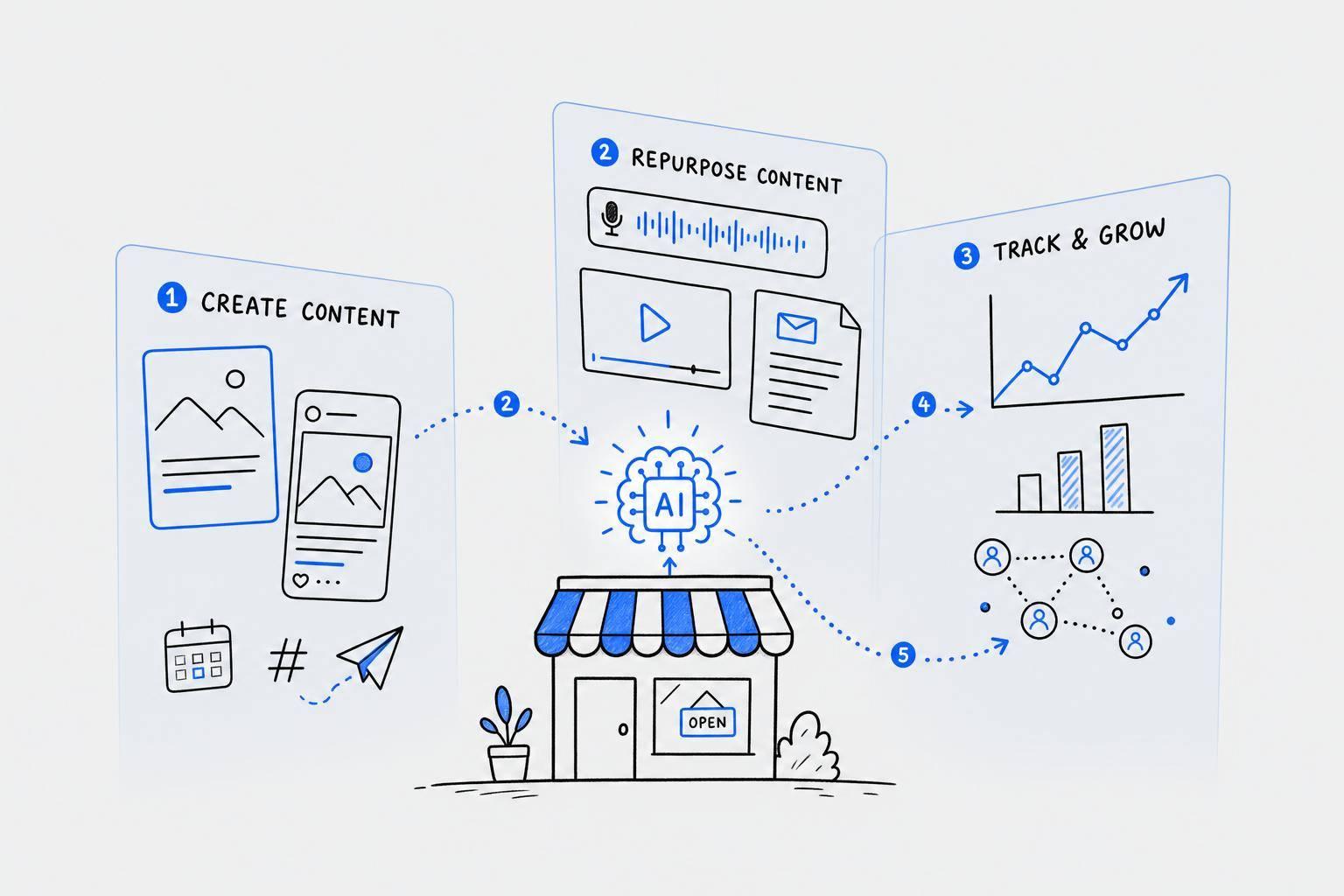
Gone are the days of dealing with outdated spreadsheets and endless manual reconciliations. With AI-powered tools, social media campaign tracking becomes faster, more accurate, and far less frustrating.
Data Collection
AI tools connect directly to platforms like Instagram, TikTok, LinkedIn, and YouTube through secure API integrations. This setup ensures data flows seamlessly from the source into a single dashboard. A great example of this is Sand Studio's marketing team. In early 2026, they adopted GoInsight.AI to manage their KOL collaboration tracking. Before this, they manually logged TikTok and YouTube metrics - a process prone to errors and inefficiencies. Once they switched to automation, the system started identifying platforms, pulling live data, and updating spreadsheets without human intervention.
"System-led extraction removes human error, ensuring view counts and titles match the source exactly." - Sand Studio Marketing Team
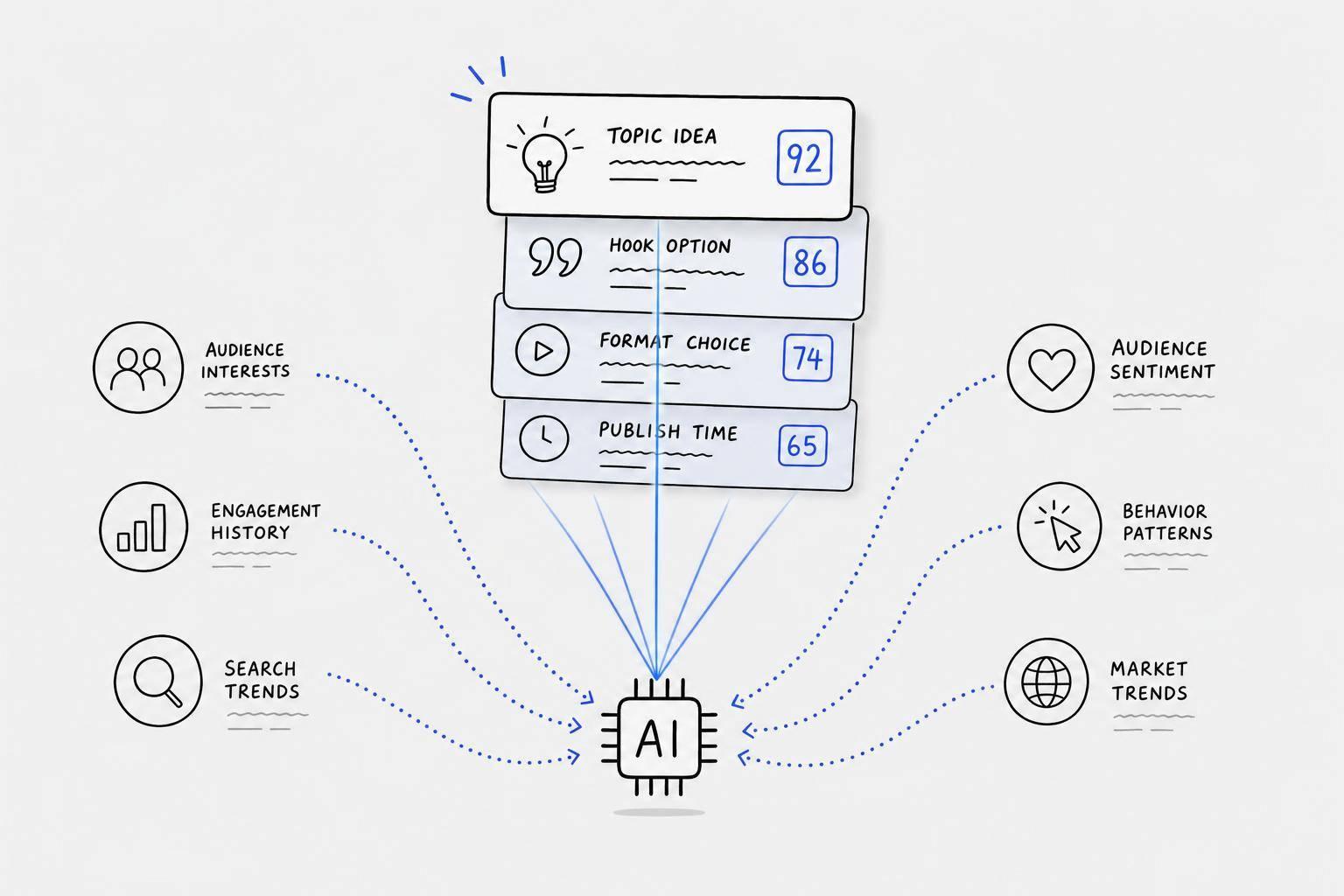
What makes AI tools even more powerful is their ability to track a wide range of metrics simultaneously. These include impressions, reach, engagement rates, CPM, CPA, ROAS, video completion rates, and even creative fatigue signals - like when a rising ad frequency leads to a drop in click-through rates.
Measurement Accuracy
One of the greatest strengths of AI is its ability to eliminate manual errors. It standardizes metrics across platforms, making them easier to compare without the need for time-consuming manual reconciliations.
However, AI isn’t perfect. For example, sentiment analysis tools sometimes misinterpret sarcasm as negative feedback. This is why human oversight remains essential for nuanced situations.
Speed of Decision-Making
The real magic of AI lies in its speed. It transforms raw data into actionable insights almost instantly. Marketers can receive real-time updates and set up alerts for critical thresholds - like a sudden rise in CPA or a drop in engagement - allowing them to adjust campaigns within minutes rather than days. This quick turnaround can save 15–25% of monthly ad spend, as AI often flags issues that manual analysis might not catch for 5–7 days.
"Automating social media reporting doesn't replace strategic thinking; it amplifies it by cutting noise and surfacing what matters most, right when you need it." - PostNext
Beyond cost savings, AI automation frees up time. On average, marketers save 5–6 hours per week that would have been spent on data collection. This extra time can instead be used for more strategic work, making AI not just a tool for efficiency but also a catalyst for better decision-making.
Pros and Cons
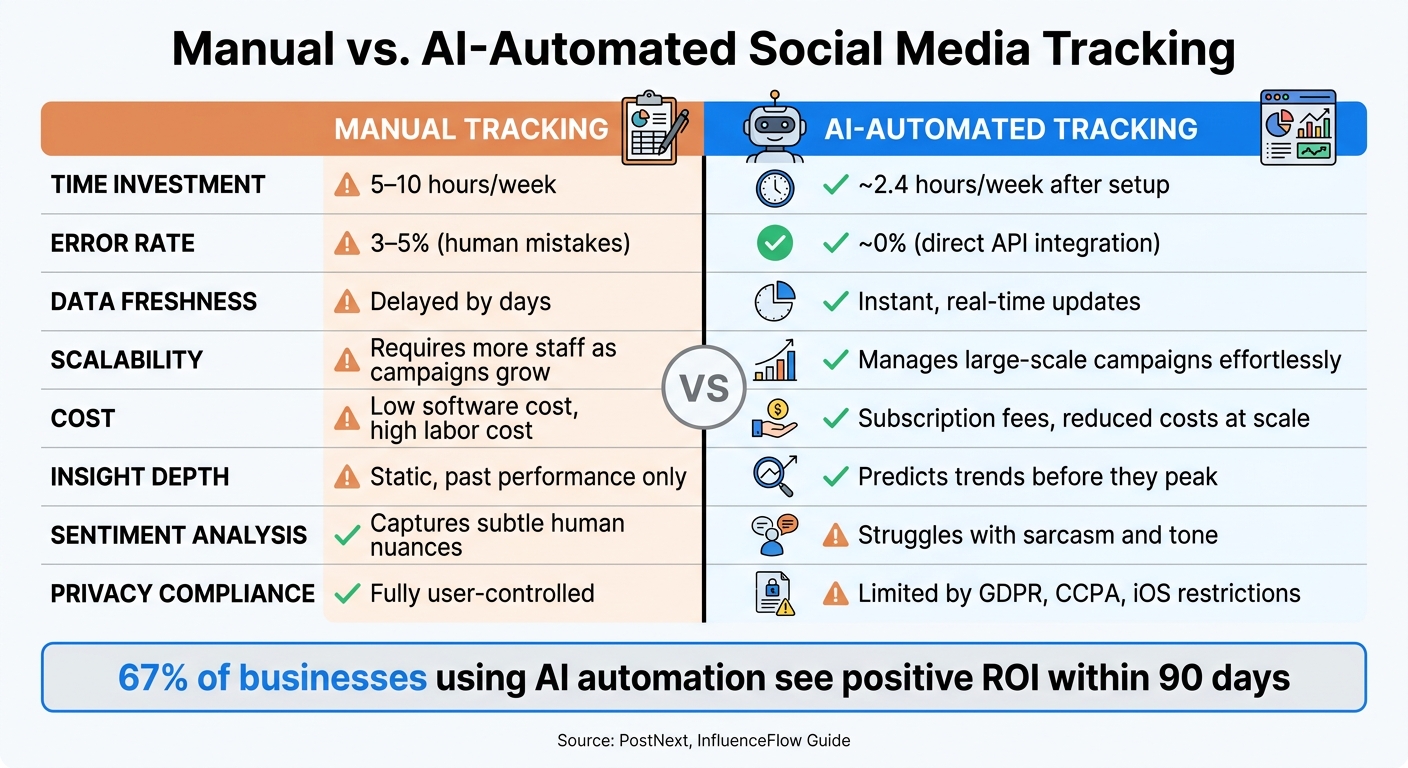
Manual vs. AI-Automated Social Media Tracking: Key Metrics Compared
When it comes to tracking methods, both manual and AI-driven approaches come with their own set of trade-offs. Here's a quick comparison to help break it down:
| Feature | Manual Tracking | AI-Automated Tracking |
|---|---|---|
| Time Investment | 5–10 hours per week | ~2.4 hours per week after setup |
| Error Rate | 3–5% due to human mistakes | Almost 0%, thanks to direct API integration |
| Data Freshness | Often delayed by days | Instant, real-time updates |
| Scalability | Needs more staff as campaigns grow | Manages large-scale campaigns effortlessly |
| Cost | Low software expense but high labor costs | Subscription fees but reduced costs at scale |
| Insight Depth | Focuses on static, past performance | Predicts trends before they peak |
| Sentiment Analysis | Captures subtle human nuances | Struggles with sarcasm and tone |
| Privacy Compliance | Fully controllable by users | Limited by GDPR, CCPA, and iOS restrictions |
This table highlights how each method stacks up, laying the groundwork for understanding their strengths and limitations.
That said, the efficiency gap between the two is hard to ignore. With users now active on an average of 6–7 platforms monthly, relying solely on manual tracking has become impractical for most teams. It eats up valuable time that could be spent on higher-level strategy or learning how to create social media posts more efficiently.
But AI automation isn't perfect either. It’s vulnerable to platform updates or API disruptions, which can quietly break data pipelines. Another pitfall? The tendency to fixate on vanity metrics. When dashboards track everything, it’s easy to lose sight of the numbers that actually impact revenue. As the InfluenceFlow Guide wisely advises:
"If you're not making decisions based on it weekly, it doesn't belong in the main report." - InfluenceFlow Guide
The best approach isn’t about picking one method over the other. Instead, it’s about combining their strengths. Let AI handle the heavy lifting - speed, volume, and precision - while human analysis focuses on interpreting shifts and deciding next steps. Together, they create a balanced and effective social media tracking strategy.
Conclusion
Keeping up with the speed of social media today is nearly impossible with manual methods. Features like real-time data, accurate reporting, and the ability to link social activity to revenue have become essential. These aren't just "nice-to-haves" anymore - they're what separate proactive teams from those that lag behind.
For small businesses in the U.S., the need for change is clear. If your team is spending over five hours a week pulling reports, piecing together data, or guessing how social media impacts your bottom line, it's time to rethink your approach. As one industry analyst aptly said:
"The marketers who automate social media reporting aren't just saving time – they're setting themselves up for smarter, faster, and more impactful decisions." - PostNext
The numbers back this up. Sixty-seven percent of small businesses that adopt social media automation report seeing a positive ROI within just 90 days. For service-based businesses, the average payback period is only 47 days. And with entry-level tools costing as little as $19–$29 per month, the investment is far less than the cost of manual labor or hiring an agency.
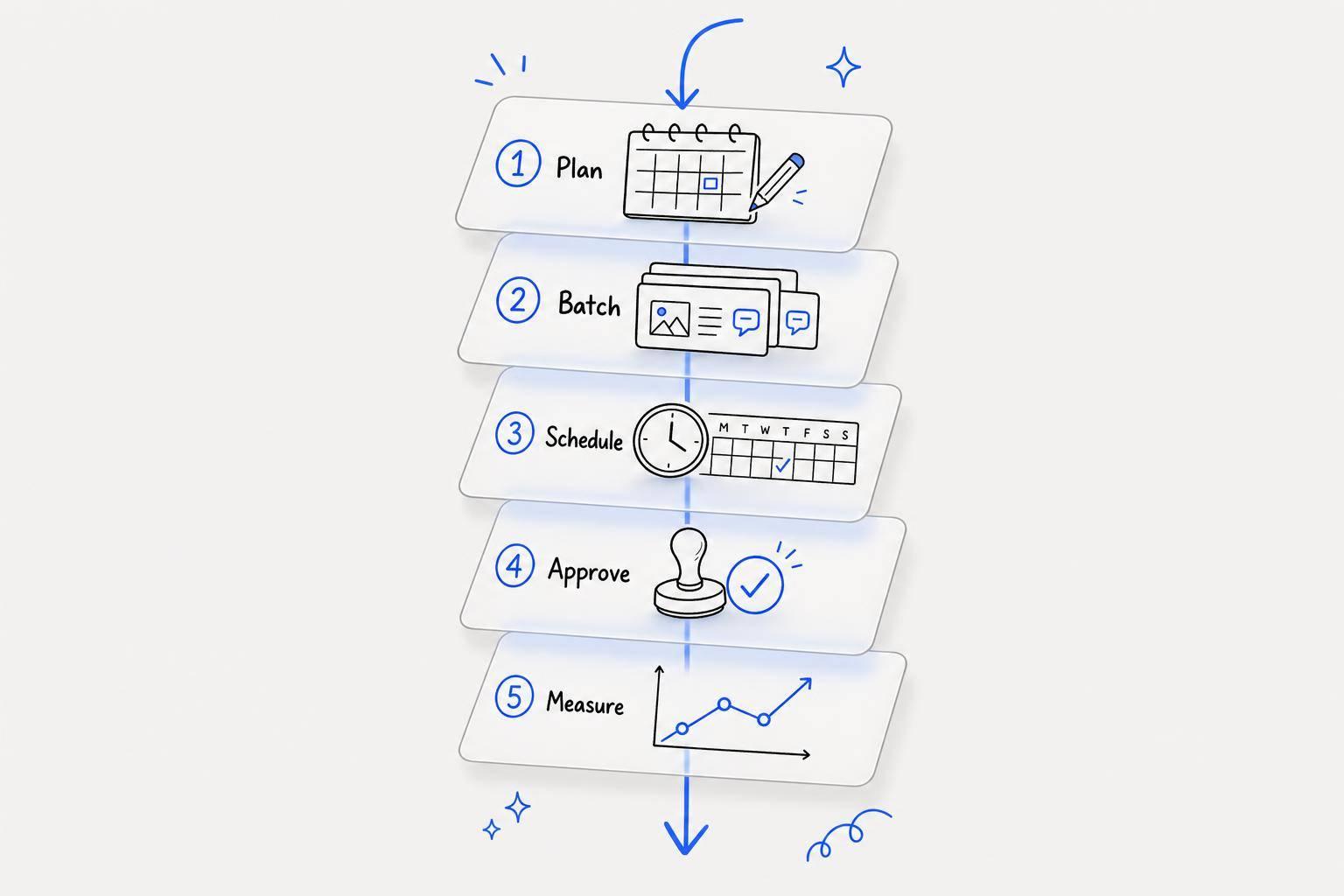
The key isn't to overhaul everything at once. Begin with the basics: focus on a social media content creation checklist, use UTM tracking, and integrate your CRM to pinpoint which content drives revenue. Let the data guide your next steps - it’s a smarter, more efficient way to grow.
FAQs
What’s the fastest way to move from spreadsheets to AI tracking?
The quickest way to make the switch is by using a no-code connector to sync your social media data straight into Google Sheets or Excel. This setup automates data updates, saving you from the hassle of manual exports and copy-pasting. Once this process is automated, you can take it a step further with Draft AI. It helps generate top-performing content ideas and schedules based on your tracked results, making your workflow even smoother.
Which metrics actually matter for ROI (not vanity metrics)?
To truly measure ROI, it's important to look past surface-level metrics like likes and impressions. Instead, focus on primary KPIs that directly tie to business outcomes, such as revenue generated from social media, the influence on your sales pipeline, customer acquisition cost (CAC), and the quality of leads.
To make these connections clear, tools like multi-touch attribution models and CRM data can help link social media interactions to actual conversions.
Secondary KPIs, like follower growth and engagement rates, provide additional context about audience interaction, while tertiary KPIs evaluate AI-driven efficiencies, such as reducing cost per post and maintaining consistent publishing schedules. These layers together give a more complete picture of ROI.
How do I prevent API or platform changes from breaking my tracking?
To minimize disruptions caused by platform changes, consider using a unified API. This approach helps standardize your tracking schema and reduces reliance on the specific logic of individual platforms. Additionally, implementing exponential backoff is a smart way to manage service interruptions, allowing your system to retry requests gradually over time without overwhelming the service.
If you’re dealing with recurring script failures - especially those triggered by platform updates - it might be worth migrating these tasks to a reliable Data-as-a-Service (DaaS) provider. This can ensure consistent data normalization and provide greater stability over the long term.